The Growth of At-Home Paternity Testing: Precision, Confidentiality, and Ease
The increasing prevalence of residential paternity testing highlights a significant change in how families handle paternity confirmation. With accuracy rates commonly reaching beyond 99%, such tests provide a accessible approach for gathering genetic samples. However, persistent worries regarding privacy about DNA data are learn the details still widespread. As more people explore these tests, they need to carefully assess the consequences of privacy, accuracy, and emotional impact. What factors should they prioritize in their decision-making process?
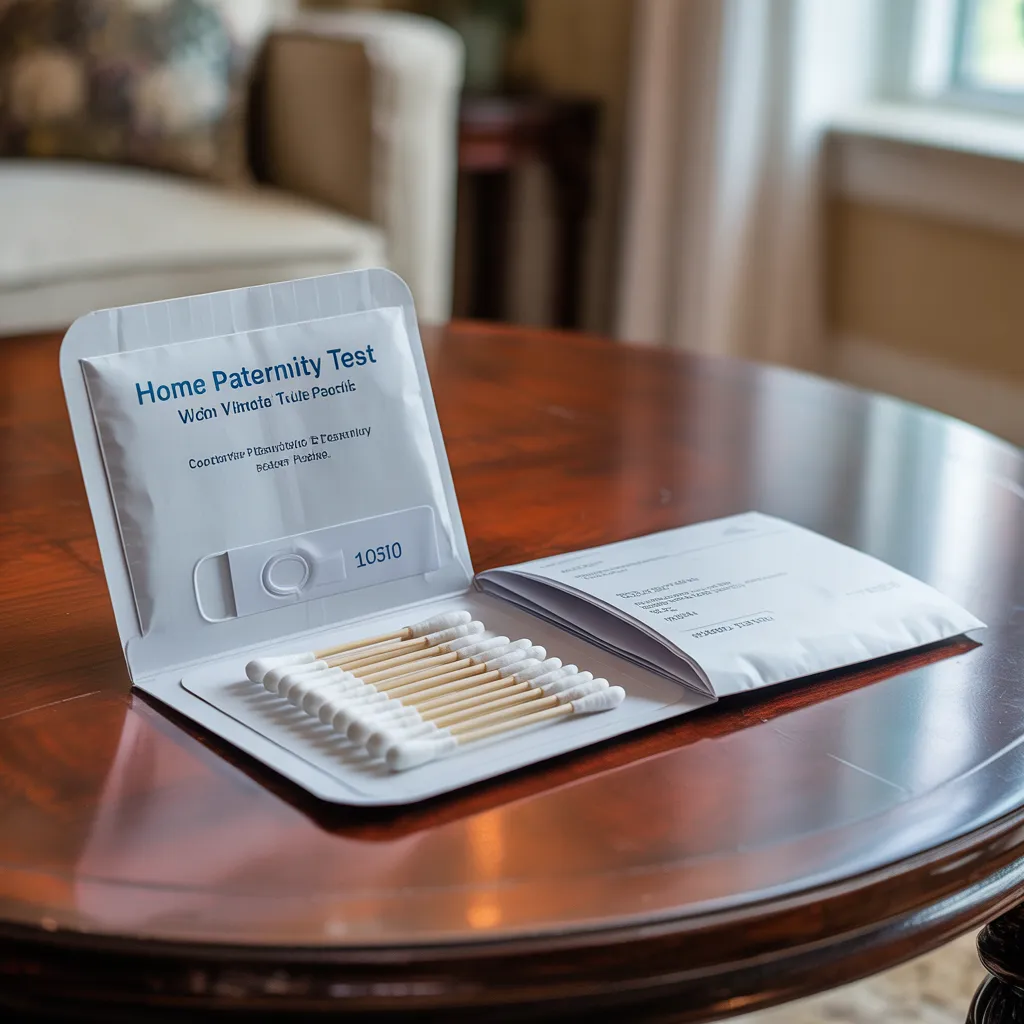
How Do Home Paternity Tests Work?
At-home paternity tests generally operate through a straightforward process involving the collection of DNA samples. Participants obtain a testing package containing swabs designed to gather cheek cell samples, generally from the alleged father and the child in question. Users are instructed to gently rub the swabs inside their cheeks so as to obtain enough DNA for testing. Once the specimens have been gathered, the swabs are secured in provided containers before being mailed to a lab for examination.
At the laboratory, the DNA is collected and examined to pinpoint particular genetic indicators. This evaluation matches the DNA patterns of the child and the alleged father to confirm paternal relationship. Outcomes are generally provided within a few days, and the method is crafted to be user-friendly, guaranteeing little inconvenience. Home testing convenience attracts numerous individuals, permitting individuals to obtain clarity in the seclusion of their own home. This method emphasizes the assessment's rising demand as a trustworthy solution for confirming paternity.
How Reliable Are Home Paternity Tests?
How dependable are at-home paternity tests for identifying biological connections? In most cases, these tests are reported to deliver a high accuracy rate, commonly exceeding 99% when administered under the right conditions. They analyze DNA samples from the alleged father, child, and sometimes the mother, comparing genetic markers to establish a relationship. Nevertheless, the reliability of results may be affected by elements such as sample contamination or incorrect handling procedures.
Many home tests employ advanced techniques akin to those used in certified facilities, yet they may be without the stringent oversight associated with professional testing. In addition, results can vary between different brands or kits, underscoring the importance of identifying a reliable source. While home paternity tests can deliver a reliable sign of biological ties, individuals should proceed carefully, recognizing that legal and emotional implications may stem from the findings. Ultimately, for total assurance, seeking guidance from an accredited lab is strongly encouraged.
What Are the Privacy Concerns?
Whereas home paternity tests present an accessible means of determining familial biological ties, they also introduce significant privacy concerns. The collection and handling of genetic material, typically collected as oral swabs or saliva specimens, may result in unauthorized access or misuse. A large number of firms do not assure the security of collected samples, leaving individuals vulnerable to data breaches.
In addition, the findings may be distributed to third parties without express consent, increasing worries of social stigma or bias. Consumers may also be unaware of how their genetic data will be stored or potentially utilized for research purposes.
Additionally, the emotional consequences linked to unanticipated findings can create additional challenges within the domain of data privacy. In summary, while these assessments deliver convenience and broad access, the shortage of robust regulatory frameworks and transparency in data handling raises serious questions about the privacy rights of individuals and ownership of their own genomic information.
How Do Test Outcomes Impact Emotional Well-Being?
The emotional fallout from paternity test results can be deep and wide-ranging. Individuals may experience a spectrum of feelings, ranging from happiness and relief to resentment and heartbreak. For some, a positive match can affirm long-held beliefs, fostering a sense of connection and security. Conversely, a negative result may lead to feelings of doubt, confusion, and heartbreak, particularly if a family relationship is called into question.
These emotions may reach beyond the person affected to influence relationships within families. Mothers and fathers might struggle with guilt or fear over the implications for their children, while brothers and sisters may experience alterations in their understanding of family structure. Additionally, social stigma can exacerbate these feelings, as individuals cope with societal norms around parentage. Ultimately, the mental effect of paternity testing outcomes varies widely, highlighting the complex interplay between personal identity, trust, and mental health.
Essential Factors for Selecting a Home Paternity Test
Navigating the complex emotions following paternity test results commonly prompts individuals to consider their options thoughtfully, particularly when selecting a home paternity test. A number of important considerations require careful thought to secure a trustworthy and positive outcome.
First, accuracy is paramount; people ought to look for tests featuring high sensitivity and specificity levels. Additionally, simplicity of use is fundamental; a straightforward collection process can alleviate stress. Confidentiality represents another major consideration; established organizations ought to assure protected processing of private data and findings.
Cost is also a factor; those considering the service should measure the fee against the test's legitimacy and available support. In addition, client feedback and testimonials offer valuable perspectives from previous users, helping individuals work through the various alternatives. Through careful assessment of these elements, people can arrive at well-informed decisions that match their personal requirements and goals.
Common Questions and Answers
Can Home Paternity Tests Be Used as Legal Evidence in Court?
Home paternity tests are typically unable to be used as legal evidence in court because of accuracy concerns and the absence of standardized procedures. Courts typically require tests conducted by accredited laboratories to serve as valid legal evidence in paternity disputes.
How Long Do Home Paternity Test Results Take?
Results from home paternity tests generally take between three to five days to be processed. Some companies offer expedited services, shortening the processing time to approximately 24 hours, subject to the specific method of testing chosen.
Can I Take the Test Again if I'm Unclear About My Results?
Indeed, individuals can take the test again if uncertain about their results. It is recommended to allow some time to pass before retesting to guarantee precise outcomes. Speaking with an expert can also provide guidance on the right path forward.
What Samples Do You Need for Home Paternity Tests?
Home paternity tests generally need cheek swabs from the child and the alleged father, though certain kits can also accommodate blood samples. Proper collection and handling of these samples are essential for accurate results.
Do Age Restrictions Apply When Testing Children?
Generally speaking, there are no strict age restrictions for conducting home paternity tests on children. Nevertheless, securing consent from a legal guardian is generally necessary, ensuring the child's rights and privacy are respected throughout the process.