The Emergence of Home-Based Paternity Tests: Precision, Confidentiality, and Ease
The growing popularity of home paternity tests reflects a considerable change in how individuals navigate parentage verification. With precision levels commonly reaching beyond 99%, these tests present a practical approach for gathering genetic samples. However, significant concerns about privacy about personal genetic information continue to exist. As a growing number of families consider this form of testing, they need to carefully assess the implications of accuracy, privacy, and emotional consequences. What factors should they prioritize in determining the right course of action?
How Do Home Paternity Tests Work?
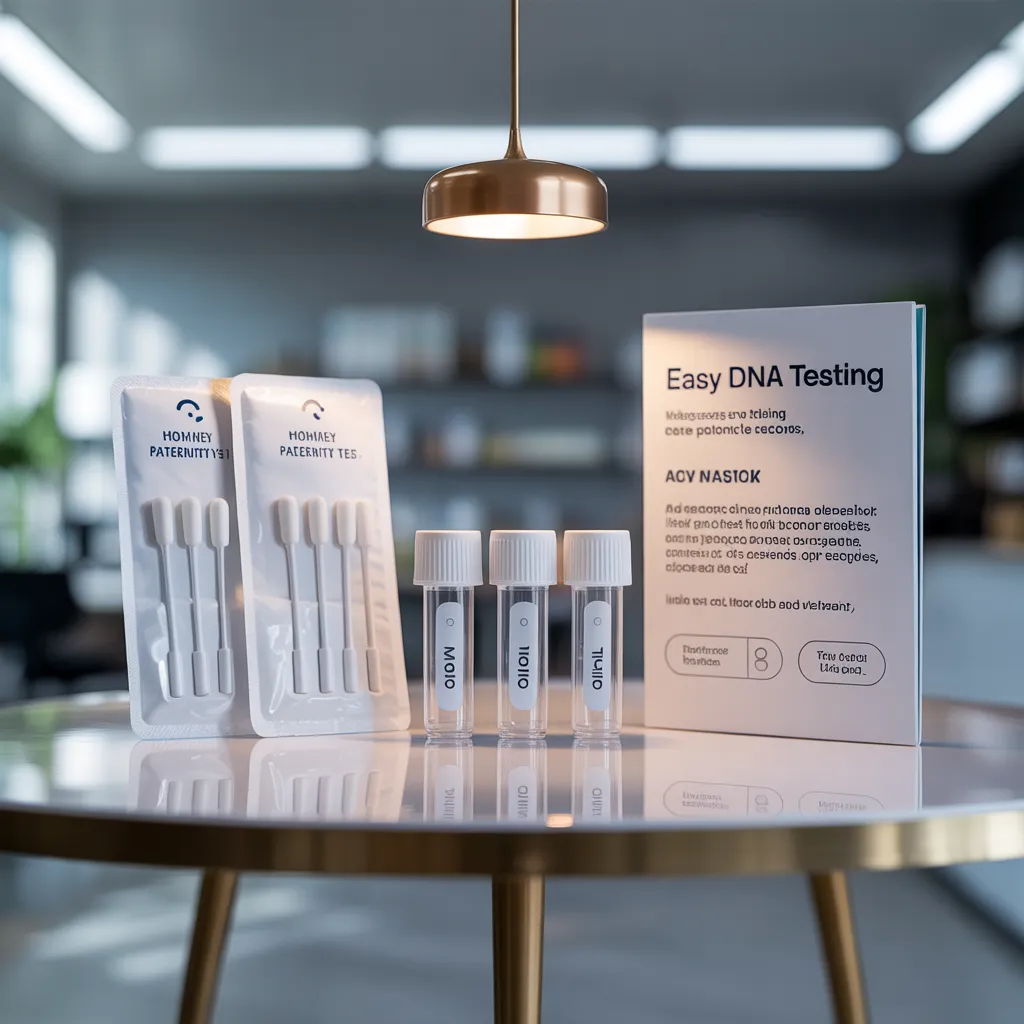
At-home paternity tests generally operate through a straightforward process involving the collection of DNA samples. People are provided with a test kit that includes swabs for collecting cheek cells, usually from both the prospective father and the child. Users are instructed to gently rub the swabs inside their cheeks in order to collect an adequate amount of genetic material. After collecting the samples, they are stored in specified collection vessels and sent to a laboratory for analysis.
Within the lab, the DNA is isolated and studied to identify specific genetic markers. This analysis compares the DNA patterns of the child and the alleged father to confirm paternal relationship. Results are usually available within a few days, and the procedure is intended to remain user-friendly, guaranteeing little inconvenience. Home testing convenience attracts numerous individuals, permitting individuals to obtain clarity in the seclusion of their own home. This process underscores the assessment's rising demand as a reliable option for confirming paternity.
How Reliable Are Home Paternity Tests?
How dependable are at-home paternity tests for identifying biological connections? In most cases, these tests are reported to deliver a high accuracy rate, commonly exceeding 99% when administered under the right conditions. They analyze DNA samples from the alleged father, child, and sometimes the mother, comparing genetic markers to establish a relationship. Nevertheless, the reliability of results may be affected by elements such as sample contamination or incorrect handling procedures.
Most home tests use advanced techniques akin to those in clinical laboratories, yet they may lack the stringent oversight linked to professional testing. In addition, results can differ between various brands and products, highlighting the importance of identifying a reputable provider. While home paternity tests can provide a strong indication of genetic connections, individuals should approach them with caution, bearing in mind that legal and emotional implications may stem from the findings. Ultimately, for total assurance, consulting a certified laboratory is discussion strongly encouraged.
What Are the Privacy Concerns?
Whereas home paternity tests present an accessible means of determining familial biological ties, they also introduce significant privacy concerns. The gathering and management of genetic samples, typically collected as oral swabs or saliva specimens, can lead to unlawful access or exploitation. A large number of firms do not assure the security of collected samples, leaving individuals vulnerable to data breaches.
Additionally, the data may be disclosed to third parties without clear consent, intensifying fears of stigmatization or discrimination. Consumers may also be uninformed of how their genetic data will be kept or potentially utilized for research purposes.
Additionally, the affective dimensions connected to unexpected results can complicate the domain of data privacy. Overall, while these examinations present ease and accessibility, the deficiency of rigorous regulations and accountability in the handling of personal data brings forth significant concerns about personal rights regarding data privacy and control over their own genetic information.
How Do Test Results Affect Emotions?
The psychological impact from paternity test results can be deep and wide-ranging. People may experience a whirlwind of emotions, ranging from relief and joy to feelings of betrayal and anger. For certain individuals, a positive match can affirm long-held beliefs, fostering a bond of trust and reassurance. In contrast, a negative result may lead to a sense of confusion, disbelief, and sorrow, particularly if a familial bond is challenged.
These emotions can extend beyond the individual to affect family relationships. Parents could wrestle with fear and guilt over the implications for their children, while siblings might face shifts in their perceptions of family dynamics. Additionally, social stigma can exacerbate these feelings, as individuals cope with societal norms around parentage. At the core of it all, the psychological impact of paternity testing outcomes varies widely, highlighting the complex interplay between personal identity, trust, and mental health.
Key Factors for Choosing a Home Paternity Test
Steering through the emotional journey in the wake of paternity test results commonly prompts individuals to consider their options thoughtfully, particularly when selecting a home paternity test. Multiple essential factors warrant consideration to guarantee a reliable and satisfactory outcome.
To begin, accuracy is paramount; individuals should seek tests with high sensitivity and specificity rates. Next, user-friendliness plays a key role; a clear and direct collection method can minimize stress. Confidentiality represents another major consideration; reputable companies should guarantee secure handling of personal data and results.
Expense is also a key factor; prospective users should balance the cost against the assessment's reliability and customer support. Finally, client feedback and testimonials offer valuable perspectives from previous users, providing direction when navigating available choices. By evaluating these factors, individuals can make informed choices that align with their needs and expectations.
Popular Questions We Receive
Can Home Paternity Tests Be Used as Legal Evidence in Court?
DIY paternity tests are generally inadmissible in court because of accuracy concerns and the absence of standardized procedures. Judicial proceedings commonly require testing performed by accredited laboratories to serve as valid legal evidence in paternity disputes.
What Is the Turnaround Time for Home Paternity Test Results?
Home paternity testing results usually take between three to five days to be processed. A number of companies provide faster turnaround options, reducing the wait time to approximately 24 hours, based on the particular testing method selected.
Can I Retest if I'm Unsure of Results?
Certainly, users can take the test again if unsure of their results. It is recommended to wait a short period before repeating the test to ensure accuracy. Seeking professional advice can also provide guidance on the right path forward.
What Samples Do You Need for Home Paternity Tests?
At-home paternity tests usually call for buccal swabs from both the child and the presumed father, though certain kits can also accommodate samples taken from blood. Correct collection and careful handling of these samples is critical to achieving accurate results.
Are There Age Restrictions for Testing Children?
There are generally no specific age restrictions for testing children with home paternity tests. Nevertheless, securing consent from a legal guardian is generally necessary, making certain that the child's rights and privacy are upheld during the entire process.