Understanding Family Relationships: The Importance of DNA Tests for Siblings in Uncovering Family Ties
DNA tests for siblings have become essential resources for exploring family connections. They can clarify parentage and reveal connections that were previously unknown. Although these tests offer a window into genetic bonds, they also bring emotional challenges that families need to work through. The implications of such discoveries can be profound, prompting questions about identity and belonging. What happens when the results challenge long-held beliefs about family? The responses to these questions can alter relationships in surprising and unforeseen manners.
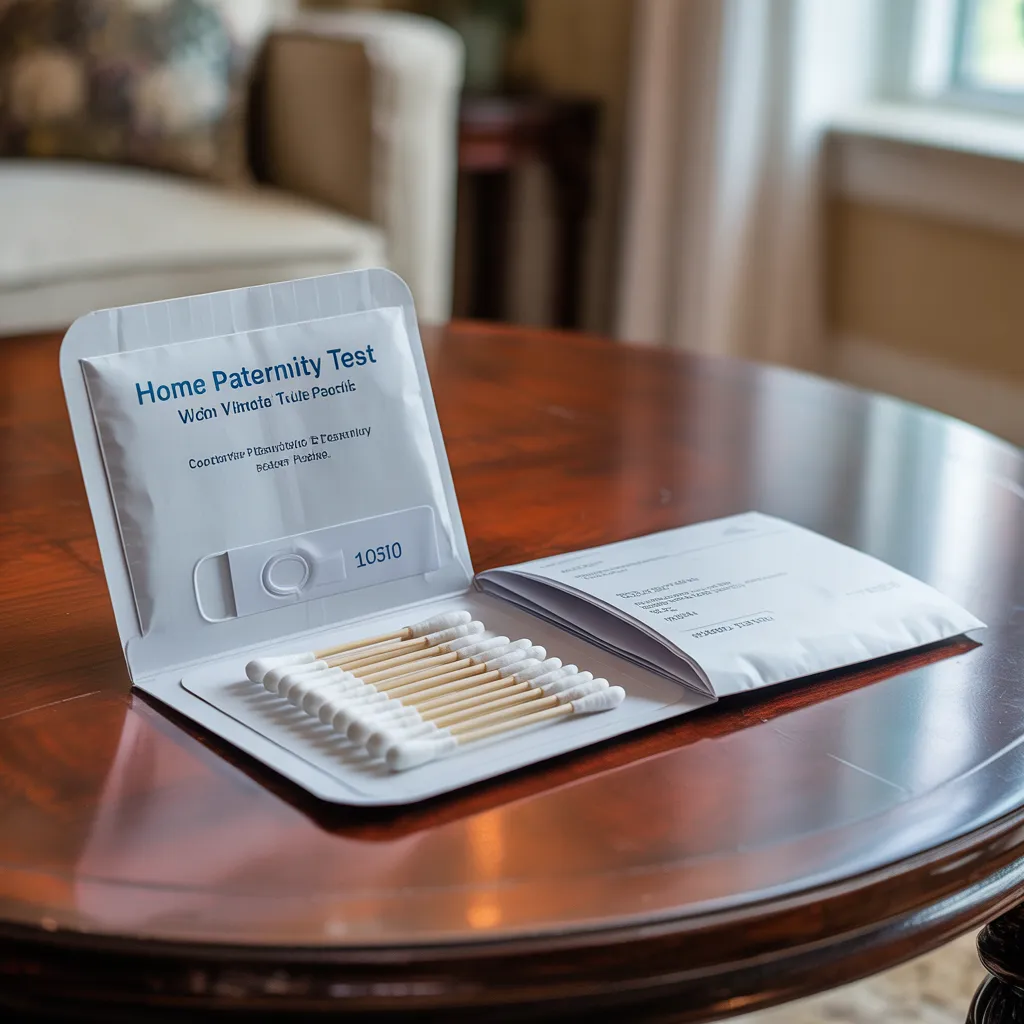
Sibling DNA Tests Explained and Why They Are Important
Sibling DNA tests serve as an essential method for revealing familial bonds among siblings. These analyses examine DNA markers common between people to determine the likelihood of them being full siblings, half-siblings, or completely unrelated. Through the comparison of DNA sequences, people can uncover valuable information about their hereditary relationships, which is often especially important for those with complex family histories or doubts about their biological origins.
Recognizing such connections can greatly influence family dynamics, offering insight in situations where familial ties have been challenged or unclear. Sibling DNA tests can also foster a sense of belonging and identity, especially for people wanting to learn about their lineage. Furthermore, the results can shape emotional bonds, allowing siblings to work through feelings of connection or disconnection. As the importance of genetic information expands in society, these tests remain essential for promoting clarity and harmony within family structures.
How DNA Testing Uncovers Hidden Family Connections
How does DNA testing help discover connections that remained unknown before? DNA testing provides a powerful tool for uncovering familial relationships that may not be evident through traditional means. Through the examination of genetic markers, people can uncover biological links to half-siblings, unidentified relatives, or even remote cousins. This method can help untangle intricate family histories, most notably in adoption cases or circumstances where family structures differ from the norm.
The outcomes can offer new insights about shared ancestry, genetic traits, and health predispositions. For many, this newfound knowledge can reshape their understanding of family dynamics and lineage. Furthermore, DNA analysis may reveal unexpected familial ties, prompting individuals to explore connections that were previously overlooked. Ultimately, the revelations from DNA tests can greatly enhance an individual's understanding of their genealogy, nurturing a more profound recognition of the elaborate tapestry of ties that form individual identity.
How Sibling DNA Tests Emotionally Affect Family Relationships
Sibling DNA testing can significantly affect family dynamics by exposing surprising links that challenge honesty and openness. These discoveries frequently result in complicated emotional responses, as people struggle with their identities and familial bonds. Recognizing these psychological impacts is critical for handling the outcome of the testing process and sustaining strong familial connections.
Credibility and Transparency Problems
Issues surrounding trust and transparency tend to surface among family members when DNA tests between siblings are conducted. The act of testing can unearth hidden family secrets, causing feelings of betrayal among siblings who had previously assumed they maintained a simple and clear relationship. Such revelations can lead to questions about parental honesty and the accuracy of family histories. When findings fail to meet expectations, the emotional fallout can strain bonds, as people wrestle with doubts and feelings of insecurity. Moreover, the felt need to pursue a DNA test can signal underlying trust deficits, suggesting that family members may not feel comfortable discussing their relationships openly. As a result, these tests can inadvertently disrupt the foundations of familial trust, complicating already delicate dynamics.
Managing Emotional Responses
When surprising outcomes from sibling DNA tests emerge, the emotional landscape within families can shift dramatically. Disclosures about biological ties can give rise to feelings of betrayal, confusion, or anger among siblings. Some may wrestle with questions about their identity or the legitimacy of their relationships, while others might encounter a sense of relief or validation. Managing these emotions requires open communication and empathy, as siblings confront their reactions together. It is important for family members to provide space for individual feelings without judgment, nurturing an environment where healing and understanding can take place. Ultimately, the impact of these tests can either challenge or strengthen family bonds, depending on the approach taken towards the emotional fallout.
Leveraging DNA Insights to Improve Communication Between Siblings
Understanding the DNA-based relationships among siblings can enrich their understanding of each other, particularly when misunderstandings surface. By using information from DNA analysis, siblings can develop a better understanding on their biological connections, which may illuminate fundamental reasons for specific behaviors or conflicts. This knowledge promotes compassion, as siblings come to understand that hereditary differences can affect character traits and personal tendencies.
When conflicts emerge, consulting genetic knowledge can serve as a neutral ground for discussion. Instead of attributing disagreements solely to personal differences, family members may come to understand that their distinct traits are rooted in their genetic makeup. This recognition can foster a more productive conversation, supporting transparent sharing of thoughts and lived experiences.
At its core, harnessing DNA insights inspires siblings to navigate their relationships with curiosity rather than criticism. By fostering a deeper understanding of each other's genetic backgrounds, siblings can create a more supportive environment that nurtures their bond, even amidst challenges.
True Accounts: How DNA Testing Transformed Family Relationships
Sibling bonds can be deeply affected by the insights uncovered through DNA testing. In a notable example, a pair of brothers raised in different homes discovered through a DNA test that they were connected through a common biological father, which brought about a touching reunion. Their newfound connection gave them the opportunity to share life experiences and tales, deepening their bond.
In one such case, a female found out that her half-sister, who she had always thought was a cousin, was actually a sibling. This revelation inspired both to jointly explore their shared family history, nurturing a sense of belonging and understanding that had been absent.
Alternatively, DNA examination in some cases brings to light startling findings, as in the case of a person who came to realize he was without biological ties to his family members. Although the revelation was startling at first, this revelation in the long run gave rise to transparent exchanges and a renewed recognition of the heartfelt relationships that shape familial bonds, irrespective of biological connections.
Key Ethical Issues in Sibling DNA Testing
With the progress of genetic testing offering valuable insights into familial bonds, they simultaneously present significant ethical challenges. Sibling DNA testing can reveal unexpected relationships, possibly unsettling established family structures and resulting in emotional hardship. Choosing to pursue such testing frequently requires agreement from several individuals, raising questions about autonomy and the right to know one's genetic background. Moreover, the revelation of non-paternity or half-sibling ties may give rise to deep-seated feelings of betrayal and uncertainty among relatives.
Privacy concerns also emerge, as genetic information is sensitive and may be misused if not properly protected. The risk of discrimination based on genetic tendencies further complicates the ethical landscape. Consequently, it is important for people contemplating sibling DNA tests to carefully consider the emotional and ethical implications, ensuring that they approach the process with complete understanding of its potential outcomes for themselves as well as their family members.
Future Trends in DNA and Family Relationships
How will the transforming nature of genetic analysis reshape familial connections in the near future? As scientific advancements unfold, the accessibility and affordability of genetic tests are projected to improve, enabling more family units to uncover their genetic links. This rise in genetic analysis might bring about a deeper understanding of hereditary connections, revealing unrecognized genetic bonds and disrupting established perceptions of kinship.
Moreover, the rise of retail genetic testing could encourage a culture of awareness regarding family lineages and roots. As more and more people delve into their genetic backgrounds, conversations about lineage, ethnic identity, and family structures will become commonplace.
Nevertheless, this trend also prompts concerns about privacy and consent, as households navigate the nuances of sharing genetic information. In the end, the evolving landscape of DNA testing is likely to cultivate both stronger connections and fresh challenges, as families learn to adapt to the insights and findings that stem from their genetic legacies.
Questions We Often Receive
How Reliable Are Sibling DNA Tests for Identifying Relationships?
Sibling DNA testing is typically reliable, offering a high probability of confirming relationships. That said, findings can fluctuate according to shared genetic markers, with further background often needed to gain a complete understanding of biological ties.
Do Sibling DNA Tests Have the Ability to Identify Non-Biological Connections?
Sibling DNA examinations mainly uncover genetic relationships; nevertheless, they can subtly indicate non-genetic connections by identifying common genetic indicators. Such discoveries may encourage people to explore familial ties beyond traditional definitions of kinship.
What Age Is Appropriate for Taking a Sibling DNA Test?
The appropriate age for taking a DNA sibling test typically ranges from 18 onward, as those who have reached adulthood are equipped to make knowledgeable decisions. Those under the age source of 18 often need parental consent and guidance for interpreting the findings.
How Do Sibling DNA Tests Handle Half-Siblings Versus Full Siblings?
DNA tests for siblings distinguish between half and full siblings by examining shared genetic markers. Siblings who are full siblings share around 50% of their DNA, while half-siblings share approximately 25%, providing clear distinctions in family relationships.
Are There Privacy Concerns With Sharing DNA Test Results?
Privacy issues emerge upon sharing genetic test results, as individuals may inadvertently expose private data about their genetic makeup. This may impact not only the individual being tested but also their biological relations, giving rise to possible interpersonal conflicts.