Exploring Family Connections: How Sibling DNA Testing in Clarifying Relationships
Sibling DNA tests have emerged as essential resources for exploring genetic relationships. These tests can establish parentage and uncover ties that were once a mystery. Even as these tests shed light on biological connections, they present emotional intricacies that families are required to address. The consequences of these findings can be significant, raising questions about one's sense of self and place within a family. How do families cope when the findings contradict deeply rooted assumptions about their relationships? The responses to these questions can alter relationships in surprising and unforeseen manners.
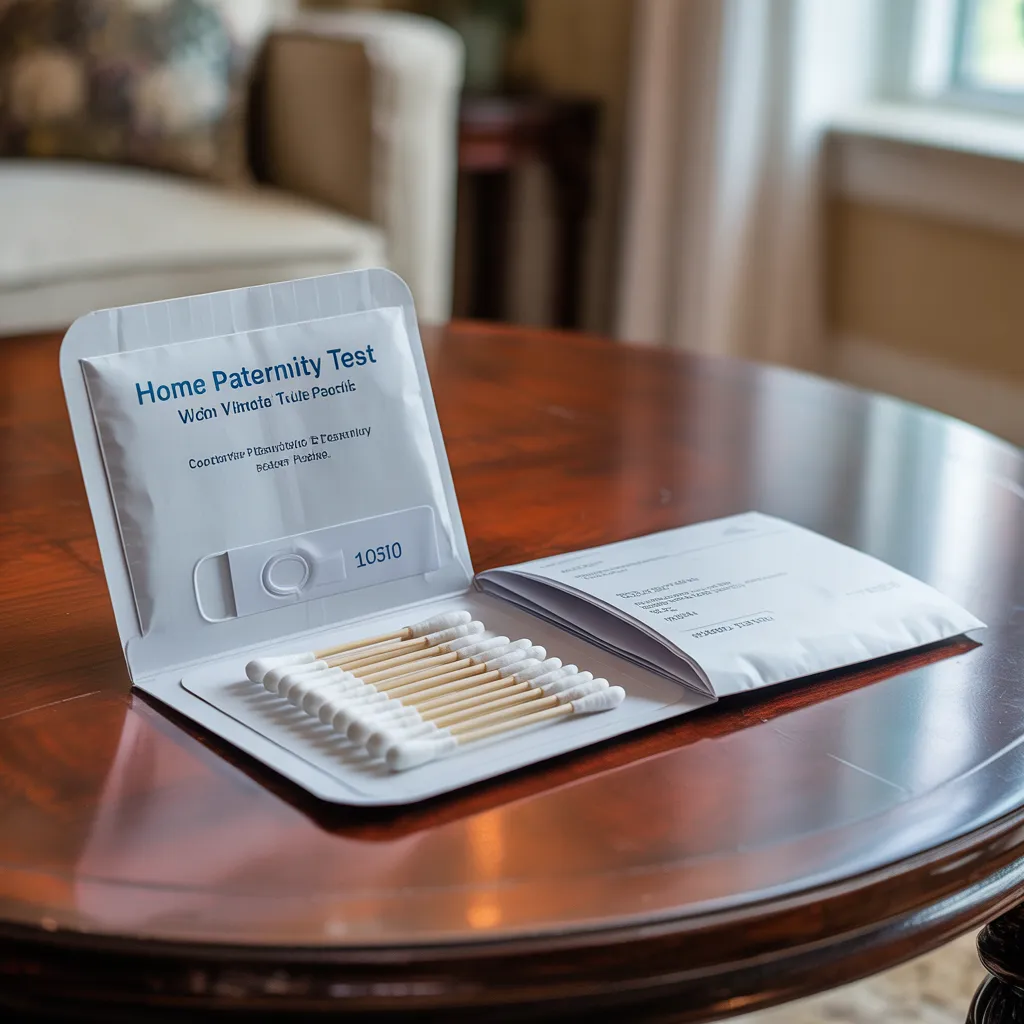
Sibling DNA Tests Explained and Why They Are Important
Sibling DNA tests serve as an essential method for revealing genetic connections between siblings. These tests analyze genomic markers common between people to establish the probability of the parties being wholly related, partially related, or entirely unrelated. By comparing DNA sequences, families can gain insights into their genetic connections, which can prove especially beneficial for individuals with intricate family backgrounds or uncertainties regarding parentage.
Recognizing these connections can significantly influence family dynamics, providing understanding in situations where familial ties have been questioned or obscured. DNA sibling tests can also nurture a sense of connection and purpose, especially for those looking to explore their ancestry. Furthermore, the results can affect emotional bonds, enabling siblings to process feelings of closeness or distance. As the importance of genetic information increases in society, these tests prove indispensable for fostering acceptance and understanding within family structures.
How DNA Testing Discovers Hidden Family Connections
In what ways can DNA testing uncover connections that were not previously known? DNA testing offers a powerful method for revealing family relationships that might not be apparent through conventional approaches. Through the examination of genetic markers, people can uncover biological links to half-siblings, unidentified relatives, or even remote cousins. This process can clarify complex family histories, especially in cases of adoption or when family structures are non-traditional.
The results can lead to fresh perspectives on mutual heritage, genetic attributes, and health inclinations. For numerous individuals, this newly acquired information can transform their comprehension of family connections and ancestry. Additionally, DNA testing may expose unforeseen family bonds, motivating individuals to examine ties that were formerly unnoticed. At the core, the findings from DNA analysis can substantially enrich one's comprehension of their family tree, nurturing a more profound recognition of the elaborate tapestry of ties that form individual identity.
Emotional Effects of Sibling DNA Tests on Family Relationships
Sibling DNA tests can significantly affect familial bonds by uncovering surprising links that test confidence and clarity. These discoveries commonly give rise to intricate psychological reactions, as individuals grapple with their personal identity and family connections. Recognizing these psychological impacts is vital for navigating the results of such tests and maintaining healthy relationships.
Honesty and Transparency Concerns
Concerns about trust and transparency frequently arise among family members when DNA tests between siblings are conducted. The act of testing can bring hidden family secrets to light, triggering feelings of betrayal among brothers and sisters who once believed they had an uncomplicated relationship. These discoveries can raise concerns about the truthfulness of parents and the integrity of family narratives. When findings fail to meet expectations, the emotional fallout can strain bonds, as people wrestle with doubts and feelings of insecurity. Furthermore, the felt need to pursue a DNA test can suggest deeper deficiencies in trust, suggesting that family members may not feel comfortable discussing their relationships openly. Consequently, these assessments can unintentionally erode the groundwork of familial trust, complicating already delicate dynamics.
Handling Emotional Reactions
When unforeseen results from sibling DNA tests come to light, the emotional terrain within families can transform profoundly. Revelations about biological connections can lead to feelings of betrayal, confusion, or anger among siblings. Some may wrestle with questions about their identity or the legitimacy of their relationships, while others might encounter a sense of relief or validation. Navigating these emotions demands open communication and empathy, as siblings face their reactions together. It is essential for family members to allow space for individual feelings without judgment, fostering an environment where healing and understanding can occur. In the end, the effect of these tests can either strain or reinforce family bonds, depending on the manner in which the emotional fallout is handled.
Using DNA Insights to Foster Better Communication Among Siblings
Grasping the hereditary links among siblings can strengthen their interactions, particularly when misunderstandings emerge. By leveraging information from genetic examinations, siblings can obtain a clearer perspective on their biological connections, which may reveal fundamental reasons for certain traits or misunderstandings. This knowledge cultivates empathy, as siblings discover that genetic variations can affect behavioral patterns and inclinations.
When conflicts emerge, consulting genetic knowledge can serve as a neutral ground for discussion. As opposed to assigning disputes purely to individual differences, family members may come to understand that their unique characteristics stem from their genetic composition. This acknowledgment can facilitate a more constructive dialogue, supporting transparent sharing of thoughts and lived experiences.
At its core, harnessing DNA insights inspires siblings to navigate their relationships with curiosity rather than helpful tips criticism. By developing a richer comprehension of each other's genetic makeup, siblings can establish a more nurturing environment that sustains their relationship, even through obstacles.
Genuine Experiences: How DNA Testing Reshaped Family Bonds
Sibling relationships can be profoundly impacted by the discoveries made possible by DNA testing. In a notable example, a pair of brothers raised in different homes learned through a DNA analysis that they shared the same biological father, resulting in an emotional reunion. This new relationship they had uncovered gave them the opportunity to share life experiences and tales, strengthening their connection.
In a similar situation, a lady learned that her biological half-sister, whom she believed to be a cousin, was in fact a sibling. This discovery encouraged both to jointly explore their shared family history, cultivating a sense of belonging and understanding that had been absent.
On the other hand, DNA testing occasionally uncovers surprising realities, as in the example of a man who discovered he was without biological ties to his siblings. Despite the initial shock, this discovery in the long run led to honest dialogues and a refreshed regard for the emotional ties that shape the meaning of family, irrespective of biological connections.
Key Ethical Issues in Sibling DNA Testing
As genetic testing continues to advance and provide insights into family relationships, they simultaneously present significant ethical challenges. DNA testing among siblings has the potential to uncover unforeseen connections, possibly unsettling established family structures and resulting in emotional hardship. The choice to proceed with genetic testing commonly necessitates consent from various family members, raising questions about autonomy and the right to know one's genetic background. Additionally, the implications of discovering non-paternity or half-sibling relationships can lead to feelings of betrayal and insecurity among family members.
Privacy issues also arise, as genetic information is delicate and could be exploited if not properly protected. The potential for discrimination based on genetic tendencies further challenges the moral framework. As a result, it is important for individuals considering sibling DNA tests to carefully consider the emotional and ethical implications, ensuring that they undertake the journey with complete understanding of its potential outcomes for both themselves and their loved ones.
Emerging Trends in DNA and Family Connections
To what extent will the shifting nature of genetic analysis alter family relationships in the near future? As scientific advancements unfold, the reach and affordability of genetic tests are anticipated to rise, enabling more family units to examine their hereditary bonds. This rise in genetic analysis might bring about a clearer picture of family bonds, exposing previously unknown relationships and challenging conventional concepts of hereditary belonging.
Moreover, the proliferation of direct-to-consumer genetic testing has the potential to nurture a culture of transparency regarding family narratives and roots. As increasing numbers of people examine their genetic histories, conversations about lineage, cultural background, and family connections will become increasingly prevalent.
However, this growing trend also prompts important questions about privacy, consent, as families work through the complexities of sharing personal genetic data. Fundamentally, the emerging landscape of DNA analysis could cultivate both stronger connections and unprecedented challenges, as households adapt to the insights and revelations that emerge from their genetic heritage.
Commonly Asked Questions
How Accurate Are Sibling DNA Tests in Determining Relationships?
Sibling DNA testing is typically reliable, providing a strong likelihood of verifying familial connections. Nevertheless, outcomes may differ depending on the degree of genetic similarity, and supplementary information might be required to comprehensively interpret family relationships.
Do Sibling DNA Tests Have the Ability to Identify Non-Biological Connections?
Sibling DNA examinations chiefly identify biological ties; however, they can subtly indicate non-genetic connections by revealing shared genetic markers. Such discoveries may encourage people to explore familial ties outside conventional understandings of family.
At What Age Is It Appropriate to Take a Sibling DNA Test?
The appropriate age for completing a sibling DNA test typically ranges from 18 onward, as individuals are considered adults capable of making informed decisions. Younger participants may require the consent and support of a parent or guardian for interpreting the findings.
How Do Sibling DNA Tests Differentiate Between Half-Siblings and Full Siblings?
Sibling DNA tests identify the difference between full siblings and half-siblings by examining shared genetic markers. Siblings who are full siblings share approximately 50% of their DNA, while siblings who are half-siblings share approximately 25%, offering clear distinctions in familial relationships.
Are There Privacy Issues Associated With Sharing DNA Test Results?
Privacy issues emerge when sharing DNA test results, as persons may unknowingly disclose confidential details about their genetic background. This could influence not only the person who underwent testing but also their biological relations, resulting in possible interpersonal conflicts.