Discovering the Facts: An In-Depth Guide to Paternity Tests at Home
At-home paternity tests provide a confidential way to explore familial connections. These kits use straightforward DNA gathering techniques and deliver findings that can profoundly influence interpersonal connections. However, picking the correct kit and understanding the implications of the findings is essential. As people work through the intricacies of their outcomes, they must also take into account psychological and legal aspects. The process goes further than the findings; the aftermath can be equally significant.
What Is a Home DNA Paternity Test and How Does It Operate?
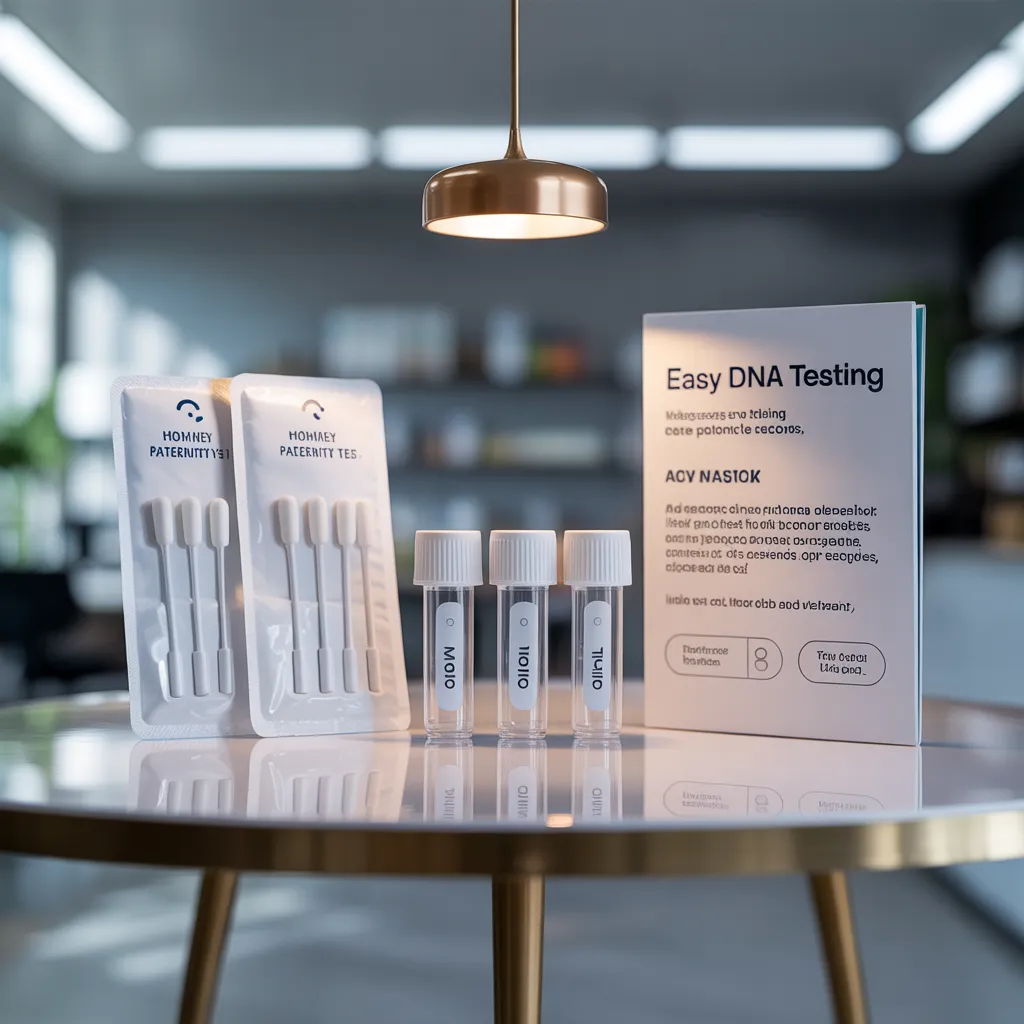
An in-home paternity test represents a discreet and accessible option for people to establish biological connections. It usually entails obtaining DNA samples from the alleged father, child, and sometimes the mother. These samples are often obtained through simple cheek swabs, which do not necessitate professional assistance. These specimens are subsequently forwarded to a lab for examination.
In the laboratory, DNA is collected and examined using established genetic markers. The findings reveal whether there is a biological relationship between the tested individuals. Most residential paternity tests return outcomes within a short period of days, enabling people to obtain their results quickly and discreetly.
Although these tests tend to be accurate, they are not legally binding and may not be accepted in court. As a result, people looking for conclusive legal verification may need to engage in a more structured testing process. Nonetheless, home paternity tests offer an accessible option for those seeking answers regarding familial connections.
How to Select a Reliable Home Paternity Test Kit
Choosing a reliable at-home paternity test kit requires assessing the accuracy of the test results and the reputation of the company. Individuals must look for products that guarantee superior accuracy to deliver reliable outcomes. In addition, opting for a well-known company can deliver added confidence of quality and reliability.
Assurance of Test Accuracy
How does one ensure the reliability of a at-home paternity testing kit? Selecting a reputable kit involves several critical factors. To begin, it is crucial to ensure the test is FDA-approved or meets relevant regulatory standards, which demonstrates a standard of quality assurance. Additionally, the precision level should be prominently displayed, with reputable kits often boasting over 99% accuracy. The availability of a clear, understandable instruction manual is also important, as accurate sample acquisition and processing can significantly affect results. Moreover, kits that provide a clinical laboratory review combined with at-home testing can supply further validation. Finally, evaluate the specimen varieties the kit accommodates—oral swabs are typically favored for their ease and reliability in DNA specimen acquisition.
Your Brand Reputation Counts
Reliability is of utmost importance when selecting a at-home paternity test kit, and brand credibility plays a crucial role in maintaining dependability. Established brands often have a track record of precision, client satisfaction, and adherence to regulatory guidelines. Consumers should research companies, looking for feedback, endorsements, and certifications from established medical organizations. A strong brand typically offers easy-to-follow directions, reliable customer support, and clear data protection policies. Additionally, it's important to assess the scientific foundation of the diagnostic methods utilized. Companies that prioritize quality assurance and external testing are more capable of producing reliable findings. By prioritizing brands with a solid reputation, consumers can make well-informed choices and have assurance in the reliability of their home paternity test results.
Benefits of Home Paternity Testing
Home-based paternity testing presents several advantages that are well-suited for those looking for clarity. It ensures discretion and confidentiality, enabling individuals to perform tests from the privacy of their own homes. Additionally, these tests provide a practical and budget-friendly alternative, making them accessible to a wider audience.
Confidentiality and Privacy
Why is privacy a significant factor for individuals considering paternity testing? For many, the decision to undergo paternity testing is deeply personal and often accompanied by emotional complexities. Home paternity tests provide an essential layer of confidentiality, allowing individuals to collect samples and receive results without external scrutiny. This level of discretion is essential for those seeking to avoid possible stigma or judgment from family members, friends, or the broader community. Moreover, reputable home testing companies prioritize the protection of personal information, ensuring that results are accessible only to the individuals involved. This degree of privacy cultivates an atmosphere in which individuals can tackle sensitive concerns without hesitation, allowing them to reach thoughtful conclusions about their familial bonds and future path.
Accessibility and Convenience
As people look for answers about their family connections, the convenience and accessibility of home paternity testing offer an appealing solution. These examinations can be carried out from the comfort of one's residence, removing the necessity for medical facility visits and time-consuming appointments. Individuals can gather samples at a time that suits them, reflecting their schedules and personal preferences. Furthermore, home testing kits are widely available online and in retail stores, ensuring they are simple to acquire. The easy-to-follow guidance allows users to conduct the test without any technical expertise, enhancing accessibility for all. This user-friendly approach guarantees that anyone can engage in the testing process, encouraging a feeling of confidence in addressing paternity concerns. In summary, at-home paternity tests provide a viable solution for individuals looking for clarity.
Affordable Alternative
The budget-friendly nature of at-home paternity testing renders it an appealing choice for many individuals facing paternity questions. Unlike traditional testing methods, which often entail steep fees and supplementary costs, home tests usually offer a considerably lower price point. This affordability empowers more families to tackle their concerns without facing substantial monetary strain. Furthermore, home testing does away with the necessity of pricey medical visits, as individuals are able to gather samples from the convenience of their own homes. The uncomplicated design of such tests often leads to faster outcomes, helping families obtain clarity in less time. Ultimately, the budget-friendly character of home paternity testing allows families to find clarity without economic hardship, establishing it as a feasible choice for a broad audience.
A Comprehensive Guide to Performing a Home Test
Conducting a paternity test at home can be a simple process if the necessary steps are adhered to closely. First, people should acquire a dependable home DNA test kit from a reputable supplier. When the kit is delivered, the next step involves obtaining samples, commonly performed using cheek swabs from both the alleged father and the child. It is crucial to adhere strictly to the instructions to maintain the quality of the samples.
After collecting the samples, they must be carefully packaged following the kit's provided directions to ensure no contamination occurs. Next, participants need to finalize the required documentation, ensuring that all details are correct. The samples must then be delivered to the designated laboratory outlined in the kit, frequently discover details on using prepaid shipping to speed up the process. Lastly, individuals must provide the lab enough time to examine the samples, after which results will be available, typically through an online portal or by mail.
How Do You Interpret Your Paternity Test Results?
What is the best way to interpret the results of a paternity test? The results generally show whether a tested individual is the biological father of a child. A favorable outcome, frequently expressed as a probability percentage of 99% or higher, verifies paternity with compelling statistical evidence. Conversely, a negative result, generally below 1%, indicates that the man tested is not the biological father.
Findings may also encompass a spectrum of probability values, indicating the chance of biological paternity derived from genetic markers examined throughout the testing process. It is critical to acknowledge that while high probabilities suggest a strong likelihood of paternity, they cannot be considered conclusive evidence.
Individuals may benefit from speaking with a certified genetics expert or qualified specialist to thoroughly understand their findings and any psychological impact. Proper understanding of these outcomes is essential for forming educated choices concerning familial relationships and prospective personal bonds.
Legal Considerations for Home Paternity Tests
Although home paternity tests provide convenience and privacy, grasping their legal implications is crucial. These tests, typically not conducted in a controlled environment, may lack the legal standing required for court proceedings. Outcomes from non-legal tests may not serve as evidence in custody disputes, child support cases, or inheritance claims.
In addition, the documentation trail is of utmost importance; without proper documentation, the outcomes may be questioned. People must also consider the implications of presenting their findings, including potential personal and interpersonal effects.
In some jurisdictions, regulations may govern the promotion and distribution of residential paternity tests, making it essential to understand local laws. For those pursuing a officially acknowledged assessment, one should seek out certified laboratories that supply legally valid results. In summary, comprehending these regulatory aspects guarantees well-informed choices concerning at-home paternity testing.
Your Next Steps Following Your Test Results
Getting paternity testing results can trigger a mix of sentiments, leading individuals to thoughtfully consider their next steps. Once the results are reviewed, it is essential to comprehend what they mean. If results confirm biological paternity, individuals may want to begin discussions with family members to review the outcomes and possible shifts in family dynamics.
For individuals dealing with unexpected outcomes, reaching out to a counselor or therapist can prove to be extremely beneficial. It is also prudent to evaluate legal ramifications, especially if the test results will impact custody or child support decisions.
Persons may need to determine if more testing or validation is needed, especially if the results are disputed. Finally, recognizing the psychological and emotional components of the conclusion can help with comprehending the details and reaching well-considered conclusions going forward.
Popular Questions We Receive
Are At-Home Paternity Tests Accepted as Legal Evidence in Court?
Consumer paternity tests are commonly not legally admissible in court due to concerns over their accuracy and the lack of chain of custody. Courts typically require analyses carried out by certified laboratories for use in legal proceedings.
How Precise Are Home Paternity Test Kits?
Residential paternity test kits commonly advertise accuracy levels surpassing 99%. That said, findings may fluctuate based on factors such as specimen quality and laboratory procedures, demanding cautious assessment and potential supplementary validation by recognized testing centers for definitive outcomes.
Is It Possible to Test More Than One Child at a Time?
Yes, multiple children can be screened simultaneously through the use of home paternity test kits. That said, it is essential to adhere to the maker's guidelines thoroughly to secure accurate results and avoid any potential cross-contamination between samples.
What Samples Are Required for Testing?
For the purpose of paternity testing, required samples typically include oral swabs from the child and the potential father. Supplementary samples, including those from the mother, could help improve overall result accuracy, however they are not always essential for reaching a definitive conclusion.
How Long Does It Take to Get Results?
Home paternity test results generally take anywhere from 2 to 5 business days, depending on the laboratory's processing speed. Turnaround times can fluctuate depending on variables such as the quality of the submitted sample and the testing workload at the lab.