Revealing the Truth: A Comprehensive Guide to Home Paternity Tests
Home paternity tests offer a confidential way to explore family relationships. These kits use easy DNA sampling procedures and yield outcomes that can profoundly influence interpersonal connections. However, choosing the right kit and understanding the implications of the findings is crucial. As individuals navigate the nuances of their findings, they must also reflect on psychological and legal aspects. The experience goes further than the results; the steps that come after can matter just as much.
What Exactly Is a Home Paternity Test and How Is It Used?
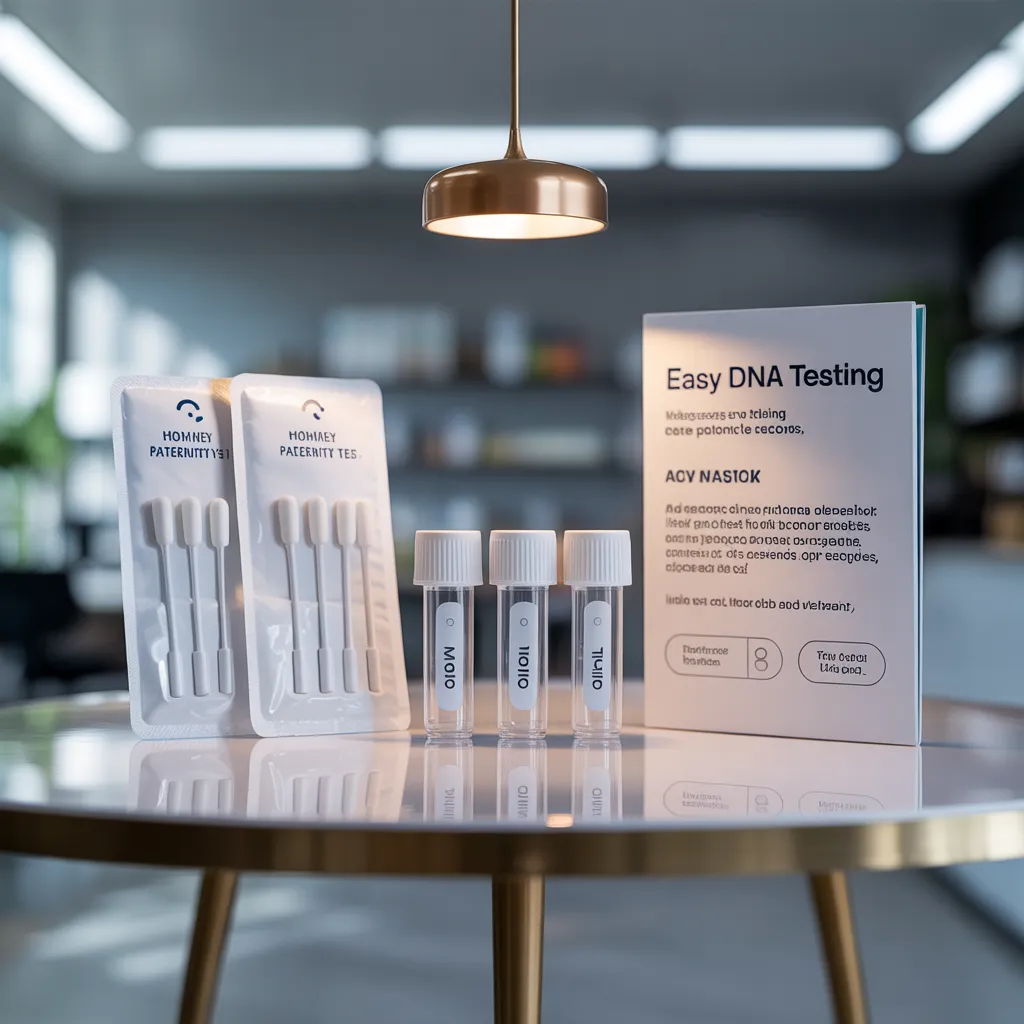
An in-home paternity test represents a convenient and private method for individuals to determine biological relationships. It typically involves collecting DNA samples from the alleged father, child, and sometimes the mother. These samples are often obtained through simple cheek swabs, which can be done without professional supervision. The samples are then sent to a laboratory for analysis.
Within the laboratory, DNA is isolated and analyzed using well-known genetic indicators. The outcomes show whether there is a familial bond between the tested individuals. Most residential paternity tests return outcomes within a few days, permitting individuals to access their outcomes rapidly and confidentially.
Although these tests tend to be accurate, they carry no legal weight and may be inadmissible in court. As a result, people looking for conclusive legal verification may need to engage in a more structured testing process. However, home-based paternity tests present an approachable avenue for individuals seeking information about biological ties.
How to Choose a Dependable Home Paternity Test Kit
Finding a dependable at-home paternity test kit necessitates examining the accuracy of the results and the standing of the brand. Customers ought to seek out kits that promise high accuracy rates to ensure dependable findings. Moreover, opting for a well-known company can deliver additional assurance of overall quality and dependability.
Assurance of Test Accuracy
How does one ensure the reliability of a home paternity test kit? Selecting a reliable kit involves several essential factors. First, it is necessary to ensure the test is FDA-approved or meets relevant regulatory standards, which signals a commitment to quality oversight. Furthermore, the reliability percentage should be clearly stated, with trustworthy kits commonly claiming over 99% accuracy. The presence of a clear, understandable instruction manual is also vital, as accurate sample acquisition and processing can substantially impact results. Additionally, kits that offer a professional lab verification in addition to home testing can provide additional verification. Finally, evaluate the collection methods the kit supports—oral swabs are typically favored for their simplicity and dependability in genetic sample gathering.
Brand Reputation Makes a Difference
Credibility is paramount when selecting a at-home paternity test kit, and brand reputation plays a vital role in guaranteeing accuracy. Reputable brands often have a track record of precision, customer satisfaction, and conformity with industry regulations. Individuals should evaluate companies, looking for reviews, testimonials, and any certifications from trusted health authorities. A reliable brand typically offers straightforward guidance, consistent consumer assistance, and open privacy guidelines. Moreover, it's essential to assess the scientific foundation of the diagnostic methods utilized. Companies that prioritize quality assurance and external testing are more likely to deliver trustworthy results. By selecting brands with a strong track record, consumers can make well-informed choices and have assurance in the reliability of their home-based paternity test findings.
Advantages of Home Paternity Testing
Home paternity testing offers a range of benefits that attract individuals seeking answers. It ensures complete privacy and confidentiality, permitting people to conduct tests in the comfort of their own homes. Furthermore, these tests provide a practical and budget-friendly alternative, making them accessible to a wider audience.
Confidentiality and Privacy
Why is privacy a significant factor for individuals considering paternity testing? For most people, the decision to seek paternity testing is an intensely personal one, often surrounded by emotional considerations. Home paternity tests provide an essential layer of confidentiality, allowing individuals to collect samples and receive results without external scrutiny. This level of discretion is essential for those seeking to avoid possible stigma or judgment from family members, friends, or the broader community. Additionally, established home testing companies emphasize the protection of sensitive personal data, guaranteeing that results are available only to the relevant parties. This degree of privacy cultivates an atmosphere in which individuals can tackle sensitive concerns without hesitation, allowing them to reach thoughtful conclusions about their familial bonds and future path.
Ease of Access and Convenience
As individuals search for understanding regarding their biological relationships, the convenience and accessibility of home paternity testing offer an appealing solution. These tests can be conducted in the comfort of one's home, eliminating the need for clinic visits and lengthy appointments. Individuals can gather samples at a time that suits them, reflecting their schedules and personal preferences. Moreover, these home testing kits are readily accessible through online platforms and retail locations, making them easy to obtain. The easy-to-follow guidance allows users to conduct the test without any technical expertise, making the process more approachable for all individuals. This accessible method ensures that everyone can participate in the testing procedure, encouraging a feeling of confidence in addressing paternity concerns. Overall, home paternity tests present a practical option for those seeking answers.
Value-Driven Choice
The affordability of home-based paternity testing makes it an attractive option for a wide range of individuals confronting paternity uncertainties. As opposed to standard testing procedures, which often involve high fees and additional expenses, home tests generally cost significantly less. This affordability empowers more families to tackle their concerns without accumulating considerable financial burden. Furthermore, home testing removes the requirement for expensive clinic appointments, as individuals are able to gather samples from the convenience of their own homes. The simple process of these assessments often leads to faster outcomes, allowing households to arrive at answers more quickly. Ultimately, the cost-effective nature of home paternity testing allows families to find clarity without economic hardship, rendering it a practical option for numerous individuals.
Complete Step-by-Step Instructions for Conducting a Home Test
Conducting a home-based paternity test can be a simple process if the proper steps are adhered to closely. As a first step, individuals should obtain a high-quality at-home DNA test kit from a credible source. When the kit is delivered, the next stage involves gathering samples, commonly performed using cheek swabs from both the potential father and the child. It is crucial to follow the instructions precisely to ensure the quality of the samples.
After collecting the samples, they should be securely packaged in accordance with the kit's instructions to avoid any contamination. Next, participants need to finalize the required documentation, ensuring that all details are correct. The collected samples are subsequently submitted to the lab indicated within the kit, frequently using prepaid shipping to speed up the process. Lastly, participants should give the laboratory adequate time to process the samples, after which results will be available, usually through an online portal or via mail.
What Do Your Paternity Test Results Mean?
What is the best way to interpret the results of a paternity test? The results generally show whether a tested individual is the biological father of a child. A positive result, commonly shown as a probability percentage of 99% or higher, confirms paternity with strong statistical certainty. Conversely, a negative result, generally below 1%, establishes that the man in question is not the genetic father.
Findings may also encompass various probability percentages, indicating the chance of biological paternity derived from genetic markers examined throughout the testing process. It is important to recognize that even though high probability results point to a strong possibility of paternity, they cannot be considered conclusive evidence.
People may benefit from seeking guidance from a certified genetics expert or appropriate professional to fully comprehend their results and any psychological impact. Proper understanding of these findings is essential for reaching well-considered conclusions regarding familial relationships and future relationships.
Legal Factors to Consider for Home Paternity Tests
Although home paternity tests provide convenience and privacy, understanding their legal implications is essential. Such tests, usually not administered in a controlled environment, may fall short of the legal standing needed for court proceedings. Findings from non-legal tests are inadmissible as evidence in custody disputes, child support cases, or inheritance claims.
Furthermore, the documentation trail is crucial; without adequate documentation, the results may be called into question. Those involved must also consider the impact of sharing the results, including likely emotional and relationship-related impacts.
Across some areas, guidelines may control the advertising and sale of at-home paternity tests, demanding familiarity with area-specific legislation. For individuals pursuing a officially acknowledged determination, individuals are advised to work with certified laboratories that provide legally binding results. In summary, being aware of these legal factors supports well-informed choices regarding home paternity testing.
Steps to Take After Receiving Your Test Results
Obtaining the results of a paternity test can trigger a mix of feelings, leading individuals to thoughtfully consider their following actions. Once the results are reviewed, it is important to understand their implications. If results confirm biological paternity, individuals may want to initiate conversations with relatives to discuss the findings and possible shifts in family dynamics.
For people confronted with unexpected findings, consulting a counselor or therapist can offer meaningful assistance. It is equally important to consider the legal implications, especially when the findings could affect custody or child support determinations.
Persons may need to assess whether additional testing or confirmation is required, specifically when the outcomes are challenged. Finally, understanding the psychological and emotional components of the result can aid in interpreting the findings and making informed decisions going forward.
Questions Our Customers Often Ask
Are Home Paternity Tests Legally Admissible in Court?
Consumer paternity tests are generally inadmissible in court owing to questions about their reliability and the lack of proper chain of custody. Courts typically require testing performed by accredited laboratories for use find out about this in legal proceedings.
How Reliable Are Home Paternity Test Kits?
Home paternity test kits commonly advertise accuracy rates exceeding 99%. However, findings may fluctuate depending on elements including sample quality and testing procedures, requiring thorough evaluation and possible further confirmation via certified testing facilities to achieve conclusive results.
Can More Than One Child Be Tested at a Time?
That's correct, multiple siblings can be tested concurrently by utilizing at-home paternity testing kits. Even so, it is crucial to comply with the manufacturer's guidelines closely to guarantee correct results and prevent any likely contamination between swab samples.
What Samples Are Necessary for Testing?
For the purpose of paternity testing, samples that are typically required include cheek swabs from the child and alleged father. Extra samples, for instance from the mother, may enhance accuracy, but are not always necessary for conclusive results.
How Long Does It Take to Get Results?
The turnaround time for home paternity tests usually ranges from 2 to 5 business days, depending on the laboratory's processing speed. Timeliness may vary based on factors such as sample quality and testing demand at the facility.