At-Home Paternity Tests: What Are Your Next Steps After Receiving Your Results?
Receiving outcomes from a home paternity test can trigger a variety of emotional responses. People may sense confusion, relief, or even anxiety as they process the consequences of these outcomes. Confirming results can affect parental custody and support duties, while contradicting outcomes might challenge established family relationships. Knowing how to handle these complex feelings and the possible legal consequences is crucial. What steps should one take next to guarantee clarity and support?
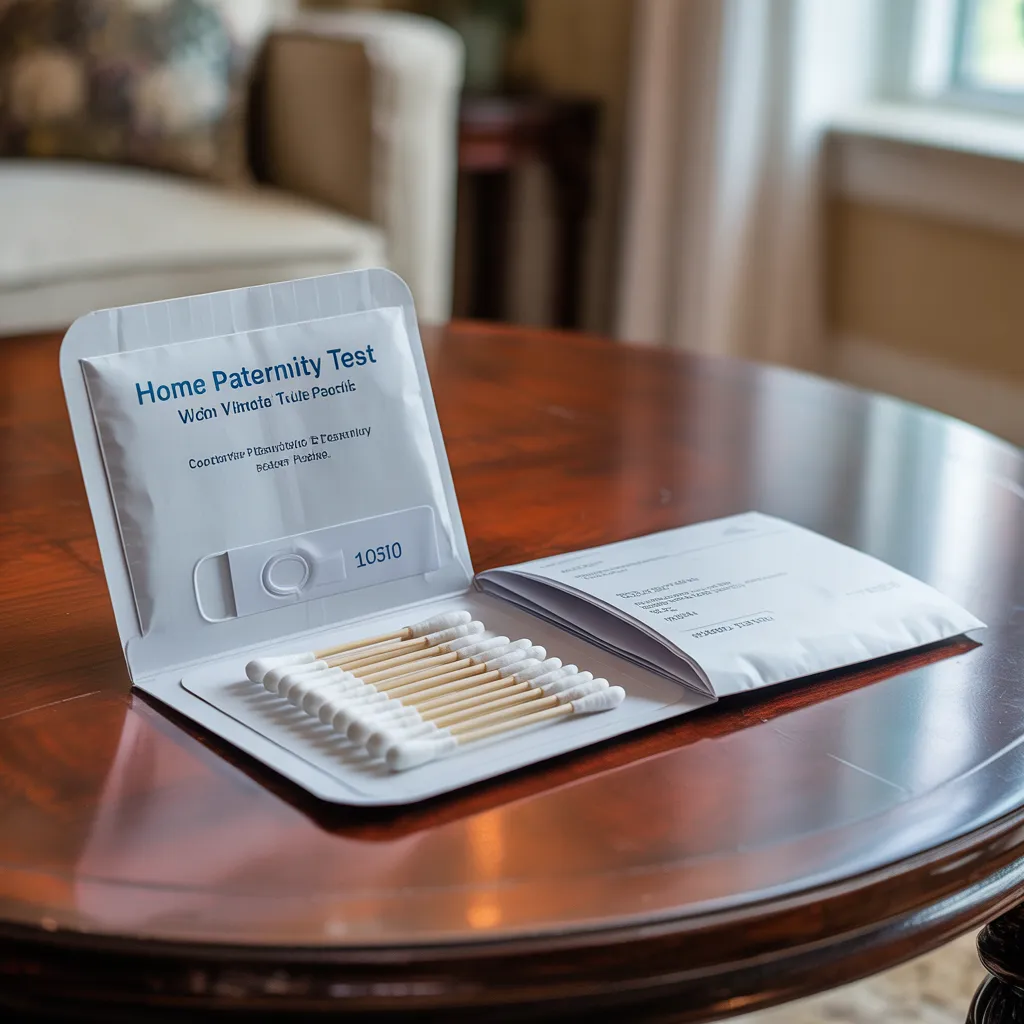
Understanding Your Paternity Test Results
How can one make sense of paternity test results? Making sense of these results means identifying the critical components and what they represent. Typically, the test results will show a probability of paternity, often expressed as a percentage. A result of 99.9% or above suggests a high probability that the individual being tested is the biological father. In contrast, a reduced percentage is indicative of non-paternity.
It is important to consider the testing method used, as certain home kits can differ in their accuracy. Moreover, results may include inconclusive findings, necessitating further testing or expert consultation. Comprehending the background of the test—such as the family dynamics and reasons for testing—can also provide clarity. In the end, understanding paternity test results demands familiarity with genetics and the particular testing procedure, ensuring that individuals can draw informed conclusions from the data presented.
Understanding Your Emotional Response
Journeying through the psychological journey following a paternity test can be difficult and overwhelming. Individuals may encounter a cascade of emotions, including anxiety, relief, anger, or confusion. The tension building toward the results can amplify these feelings, as ambiguity commonly fuels apprehension. When the outcome arrive, they may validate deeply rooted convictions or overturn long-standing certainties, leading to a significant emotional upheaval.
A great number of people find themselves wrestling with questions of identity or family bonds, questioning their relationships and personal history. It is important for people to acknowledge these emotions and permit themselves the necessary time to absorb the information. Practicing self-reflection or reaching out to a trusted friend or professional may prove beneficial during this difficult time. In the end, acknowledging the legitimacy of one's emotions is a crucial step toward emotional recovery and understanding following the receipt of paternity test results.
How to Communicate Your Results With Family
Obtaining paternity test results can significantly impact family relationships, creating the need for careful dialogue. When reviewing the outcome, it is crucial for individuals to approach discussions with empathy and openness. Choosing an appropriate occasion and secure location enables a more open discussion.
Beginning the conversation with an awareness of the potential emotional weight can aid in reducing stress. It is important to share emotions candidly and invite family members to express their ideas and feelings without criticism.
Active listening plays a vital role in these discussions, as it promotes understanding and encouragement among family members. It may also be beneficial to prepare for a variety of responses, from comfort to frustration, and prepare to address these emotions calmly. Ultimately, prioritizing love and unity can assist in managing the challenges that emerge from the findings, guaranteeing that family ties stay strong.
Legal Concerns Surrounding Paternity Test Results
What legal ramifications stem from paternity test findings? When a paternity test confirms that a man is the child's biological father, this can affect child support, custody, and inheritance rights. Legal establishment of paternity provides the father with visitation rights and the ability to make decisions concerning the child's wellbeing. Conversely, a negative result can relieve a man of responsibilities, such as child support obligations.
In many jurisdictions, at-home paternity tests may not carry the same authority as court-ordered tests, refer to this page which may create complications in legal proceedings. If disputes arise, parties may need to seek a legally binding test to clarify paternity. Moreover, the impact of these findings can reach into emotional distress claims, particularly when the outcomes diverge from anticipated results. Comprehending these legal consequences is vital for those navigating the challenges associated with paternity testing and its impact across domestic and legal circumstances.
Support Resources for Emotional and Legal Needs
Maneuvering the challenges of paternity test results often demands guidance, both emotional and legal. Those dealing with unclear results may gain from professional counseling that are dedicated to familial relationships and reproductive concerns. These specialists can provide guidance through experiences of anxiety, confusion, or conflict that may arise following test results.
Regarding legal matters, it is advisable to consult a family law attorney. These specialists are able to advise on the impact of test results, especially regarding custody, child support, and inheritance rights. In addition, local support networks or online communities can deliver shared experiences and community perspectives, fostering a sense of connection and understanding.
Tools such as helplines and legal aid organizations can also deliver timely help, ensuring that individuals feel empowered to make informed decisions. Utilizing these services can help ease the transition during what can be a highly emotional experience.
Frequently Asked Questions
How Do Home Paternity Tests Compare in Accuracy to Lab Tests?
Home paternity tests typically offer accuracy levels above 99%, similar to lab-based tests. Nevertheless, elements including the quality of sample collection and testing procedures could impact the accuracy of results, making certified lab testing a more dependable alternative for conclusive results.
Can I Trust Online Companies for Paternity Testing?
Relying on web-based providers for paternity testing depends on their certifications, customer feedback, and openness. Trustworthy providers regularly supply comprehensive details about their processes and results, strengthening confidence and consistency for potential customers evaluating DNA testing solutions.
What Samples Can Be Used for Home Paternity Testing?
At-home paternity testing typically uses biological samples including blood, saliva, or cheek swabs. Such biological specimens supply the genetic material needed for reliable genetic comparisons between the potential father and child, producing trustworthy results when analyzed appropriately.
What Is the Timeframe for Receiving Test Results?
Home paternity test results generally take anywhere from three to seven business days to be delivered. Factors such as the testing laboratory's processing speed and shipping times can influence the overall duration before results are received.
Are There Any Age Limitations for Children's Testing?
Typically, there are no strict age restrictions for testing children with home paternity tests. That said, parental or guardian approval is commonly needed for minors, making certain that ethical principles are observed during the testing process.