Exploring the Technology Behind Home Paternity Tests
The technology behind home paternity tests has progressed substantially in recent years. These advancements enhance both precision and the overall experience. By implementing painless DNA collection methods and complex examination processes, these tests deliver dependable outcomes. However, as the use of these tests expands, a number of key factors must be addressed. Grasping how these tests function and the impact of their usage is essential for anyone contemplating a test. What factors should one keep in mind before making a decision?
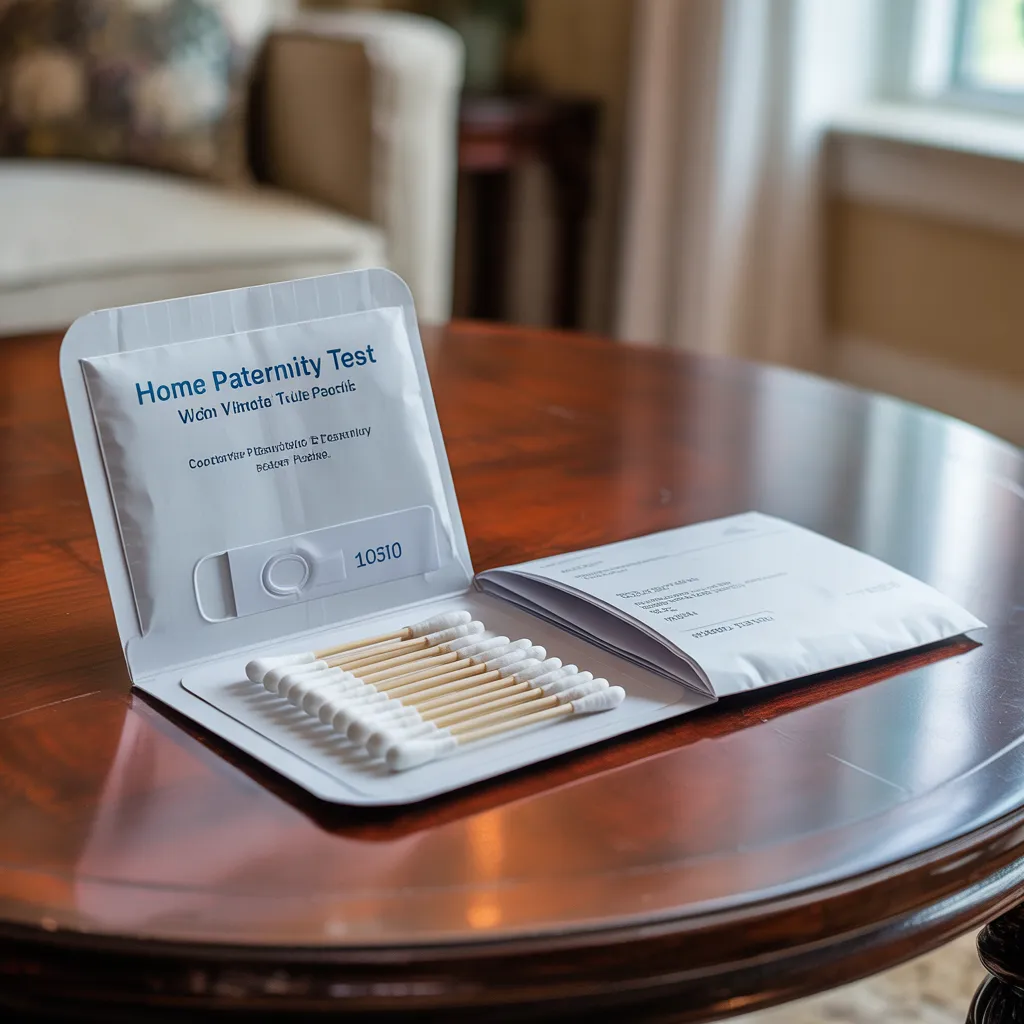
How Do Home Paternity Tests Work?
Home paternity testing proceeds through a simple process that generally involves obtaining DNA samples from the alleged father and child. Such samples are commonly retrieved using straightforward cheek swabs, which are gentle and non-invasive. Each participant rubs the swab inside their cheek to collect epithelial cells containing DNA. Once the specimens have been obtained, they are submitted to a laboratory for examination.
Generally speaking, the paternity testing kits provide step-by-step guidance for sample collection and packaging to ensure precise results. After processing, the lab compares the genetic markers from all collected samples to establish whether there is a genetic connection. The results typically arrive within several days to a few weeks to be delivered, varying by the testing service. Numerous at-home paternity tests also offer digital result viewing, enabling users to obtain their test results in a confidential and efficient way.
The Way DNA Analysis Operates in Paternity Tests
When samples are gathered and forwarded to the laboratory, DNA examination plays an essential role in establishing paternity. The process begins with extracting DNA from the submitted samples, usually saliva or buccal swabs. Subsequently, particular regions of the DNA known as Short Tandem Repeats (STRs) are analyzed. These sections differ significantly between individuals, making them valuable for identification.
Laboratories examine the STR profiles of the child with those of the alleged father. Matching results across an adequate number of these markers points to a significant chance of paternity. Statistical calculations are then employed to express the probability of paternity, often presented as a percentage. 99.9% is widely regarded as definitive proof of paternity. On the other hand, a reduced percentage indicates non-paternity. Consequently, DNA examination delivers a reliable scientific basis for determining biological relationships, guaranteeing precision and dependability in at-home paternity testing.
Latest Advancements in Genetic Paternity Testing
Recent advancements in DNA-based paternity testing have greatly enhanced the precision and reach of these tests. Developments in next-generation sequencing methods have made possible more thorough genetic profiles, allowing for better differentiation between the genetic input of each parent. This approach can process an enormous number of genetic markers simultaneously, considerably improving the reliability of testing outcomes.
In addition, the integration of machine learning algorithms has streamlined data analysis, enabling quicker delivery times and decreasing manual errors. Firms have also directed efforts toward easy-to-use kits that streamline the sample collection process, ensuring home testing is more practical for users.
In addition, innovations in smartphone applications deliver instant tracking of testing outcomes and progress, enhancing user engagement. These advancements not only cultivate greater confidence in paternity examinations but also extend access for individuals seeking guidance about family relationships. In conclusion, the field keeps advancing, offering even more precise and accessible solutions in the coming years.
Essential Factors Before Choosing a Home Paternity Test
When picking a home-based paternity test, individuals should consider a number of important factors to secure trustworthy and consistent results. First, the test's accreditation is vital; reputable companies should be recognized by institutions like the AABB. Furthermore, the technology used in the testing process should be evaluated. Testing methods using cutting-edge genetic analysis technologies, such as PCR (Polymerase Chain Reaction), tend to deliver superior reliability.
Additionally, individuals should evaluate the collection methods presented, as ease of use can affect the reliability of the sample. The turnaround time for findings is also an essential consideration, as faster results can be valuable for those seeking timely updates.
Finally, cost should not be overlooked; although cost-effectiveness matters, it should not compromise quality. By taking these elements into account, consumers can arrive at educated choices when choosing a suitable home paternity test, guaranteeing reliable results.
Privacy Issues in Home Testing
While home paternity testing provides convenience and ease of access, privacy concerns persist as a serious problem for many individuals. The process generally requires collecting DNA samples, which brings up concerns regarding data security and potential misuse. Numerous testing providers may retain personal data, raising the likelihood of breaches that may reveal sensitive information. Moreover, the confidential nature of the testing procedure can create difficulties, as individuals may fear that results could be shared without consent or employed as evidence against them in court cases.
Furthermore, the absence of regulation in the home testing industry can compound these concerns. Unlike medical laboratories, many home testing companies are not required to adhere to stringent privacy standards, leaving consumers unprotected. As home paternity tests increase in popularity, it is essential for individuals to diligently research companies and understand their data protection policies to protect their personal information.
Frequently Asked Questions
Are At-Home Paternity Tests Considered Legally Valid in Court?
At-home paternity tests are generally not accepted as legal evidence in court due to issues regarding their reliability, chain of custody, and insufficient oversight. Legally valid paternity usually demands tests performed in a controlled, accredited laboratory setting.
What Is the Accuracy of Home Paternity Tests Versus Lab Tests?
Home paternity tests commonly advertise more than 99% accuracy in confirming genetic connections. Nevertheless, laboratory tests are commonly regarded as highly dependable due to strict testing protocols, thorough quality oversight, and expert supervision, guaranteeing accuracy in legal settings.
What Samples Can Be Used for Home Paternity Testing?
At-home paternity testing typically uses biological samples like blood, saliva, or cheek swabs. Such biological samples provide DNA for comparison, guaranteeing reliable outcomes when processed under established procedures and conditions, associated article similar to laboratory testing methods.
How Long Will It Take to Get Your Test Results?
Test results from home paternity tests typically take anywhere from three to five business days. However, processing times may vary depending on the laboratory and the specific test, which could result in a turnaround of a week or more in some situations.
Are Home Tests Able to Identify Multiple Potential Fathers?
At-home paternity tests typically focus on one potential father at a time. They are not designed to reliably assess several possible fathers at once, as every test is specifically intended to analyze the genetic material of one individual.