Examining the Science Behind Home Paternity Testing
The methodology powering home paternity tests has advanced significantly in recent years. These innovations strengthen both precision and the overall experience. By employing painless DNA collection methods and complex examination processes, these tests produce trustworthy findings. However, as the popularity of these tests grows, a number of key factors must be addressed. Knowing the mechanics behind these tests and the consequences of their application is vital for individuals thinking about taking a test. What elements should be evaluated before reaching a conclusion?
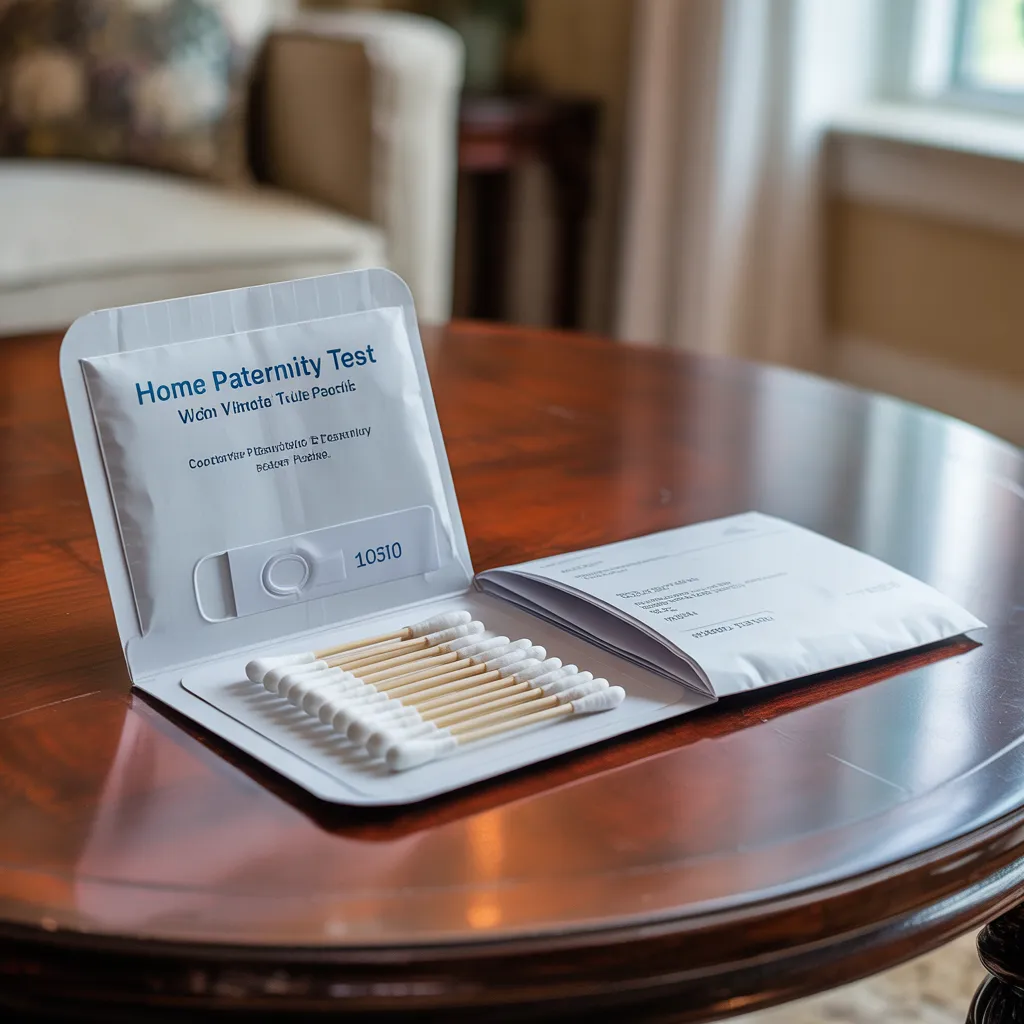
How Do Home Paternity Tests Work?
At-home paternity tests function through a clear and simple process that typically involves collecting DNA samples from the potential father and child. These samples are usually obtained using basic cheek swabs, which are completely painless and non-invasive. Each participant rubs the swab inside their cheek to obtain epithelial cells with DNA. Once the samples are collected, they are sent to a laboratory for analysis.
Typically, the paternity test kits provide detailed instructions for sample collection and packaging to ensure precise results. Once the samples are processed, the testing facility analyzes the genetic indicators from all collected samples to identify a biological relationship. The findings usually require a few days to a couple of weeks to become available, varying by the testing service. Several home paternity tests come with digital result viewing, enabling users to obtain their test results in a private and prompt manner.
How DNA Analysis Works in Paternity Tests
Once samples have been collected and dispatched to the laboratory, DNA analysis plays a pivotal role in confirming paternity. The procedure starts with the extraction of DNA from the collected samples, usually saliva or buccal swabs. Subsequently, particular regions of the DNA known as Short Tandem Repeats (STRs) are examined. These sections differ significantly between individuals, making them valuable for identification.
Laboratories compare the STR markers of the child with those of the potential father. Matching results across an adequate number of these markers points to a significant chance of paternity. Statistical analyses are then applied to quantify the likelihood of paternity, often presented as a percentage. 99.9% is widely regarded as definitive proof of paternity. On the other hand, a lower percentage suggests non-paternity. Therefore, DNA analysis delivers a reliable scientific basis for determining biological relationships, maintaining accuracy and trustworthiness in residential paternity testing.
New Developments in Genetic Testing for Paternity
Latest developments in paternity genetic testing have significantly improved the reliability and availability of these procedures. Innovations in next-generation sequencing methods have made possible deeper genetic profiles, allowing for better differentiation between the genetic input of each parent. This method can process countless genetic markers simultaneously, substantially enhancing the dependability of testing outcomes.
Furthermore, the integration of ML algorithms has improved data analysis, allowing for quicker turnaround times and limiting inaccuracies. Organizations have additionally prioritized accessible kits that optimize the specimen collection procedure, allowing home testing to be more straightforward for users.
Additionally, innovations in mobile apps deliver instant tracking of results and testing progress, improving user experience. These innovations not only foster greater confidence in paternity tests but also widen reach for individuals seeking guidance concerning familial connections. Overall, the sector keeps advancing, providing increasingly precise and accessible solutions in the coming years.
Essential Factors Before Choosing a Home Paternity Test
When picking a home-based paternity test, people should evaluate several key considerations to guarantee accurate and reliable results. To begin, the test's accreditation is of great importance; trustworthy providers should be certified by institutions like the AABB. Additionally, the technology used in the testing process should be carefully examined. Tests employing sophisticated DNA examination methods, like PCR , which stands for Polymerase Chain Reaction,, tend to deliver superior reliability.
Additionally, consumers should examine the sampling procedures presented, as ease of use can determine the reliability of the sample. The result delivery time for reports is a key aspect to consider, as speedier outcomes can be beneficial for those needing timely information.
In the end, pricing should not be ignored; even though budget considerations are essential, it should not compromise quality. By taking these elements into account, people can reach well-informed conclusions when selecting an appropriate at-home paternity test, securing dependable and accurate findings.
Privacy Concerns in Home Testing
While home paternity testing provides convenience and ease of access, privacy concerns remain a significant issue for many individuals. The process usually entails collecting DNA samples, which prompts questions surrounding data security and potential misuse. Several testing organizations may keep personal details, heightening the danger of security failures that could compromise private data. Moreover, the confidential nature of check this the testing procedure can result in challenges, as individuals may worry that findings could be disclosed without permission or employed as evidence against them in court cases.
Additionally, the absence of regulation in the home paternity testing industry can worsen these concerns. As opposed to medical laboratories, many home testing companies are not required to adhere to robust privacy standards, leaving consumers unprotected. As home paternity tests grow in popularity, it is essential for individuals to carefully research companies and understand their data protection policies to secure their personal information.
Questions We Often Receive
Are At-Home Paternity Tests Considered Legally Valid in Court?
Home paternity tests are commonly inadmissible in court due to issues regarding their accuracy, chain of custody, and lack of oversight. Court-recognized paternity generally necessitates tests carried out in a supervised, certified laboratory environment.
What Is the Accuracy of Home Paternity Tests Versus Lab Tests?
Residential paternity tests typically boast over 99% accuracy in confirming biological connections. That said, laboratory tests are commonly regarded as superior in reliability due to stringent procedures, extensive quality control, and professional oversight, providing precision in legal settings.
What Sample Types Are Accepted for Home Paternity Testing?
Home paternity testing typically uses biological samples like blood, saliva, or cheek swabs. Such biological samples supply DNA material for analysis, delivering precise results once analyzed within established procedures and conditions, similar to standard laboratory analysis methods.
How Much Time Does It Take to Get Test Results?
Results from home paternity tests usually take three to five business days on average. However, processing times may vary depending on the laboratory and the specific test, possibly taking a week or longer in certain circumstances.
Are Home Tests Able to Identify Multiple Potential Fathers?
At-home paternity tests are usually intended for a single alleged father. These tests are unable to accurately identify several possible fathers at once, as each test is designed to compare genetic material from a single individual.