At-Home Paternity Tests: What Are Your Next Steps After Receiving Your Results?
Getting outcomes from a home paternity test can stir up a variety of feelings. Those involved may feel anxiety, relief, or even confusion as they process the implications of these results. Favorable outcomes can affect support and custody obligations, while unfavorable results might strain current family ties. Knowing how to handle these complicated emotions and the possible legal consequences is of great importance. What actions should be considered next to secure support and clarity?
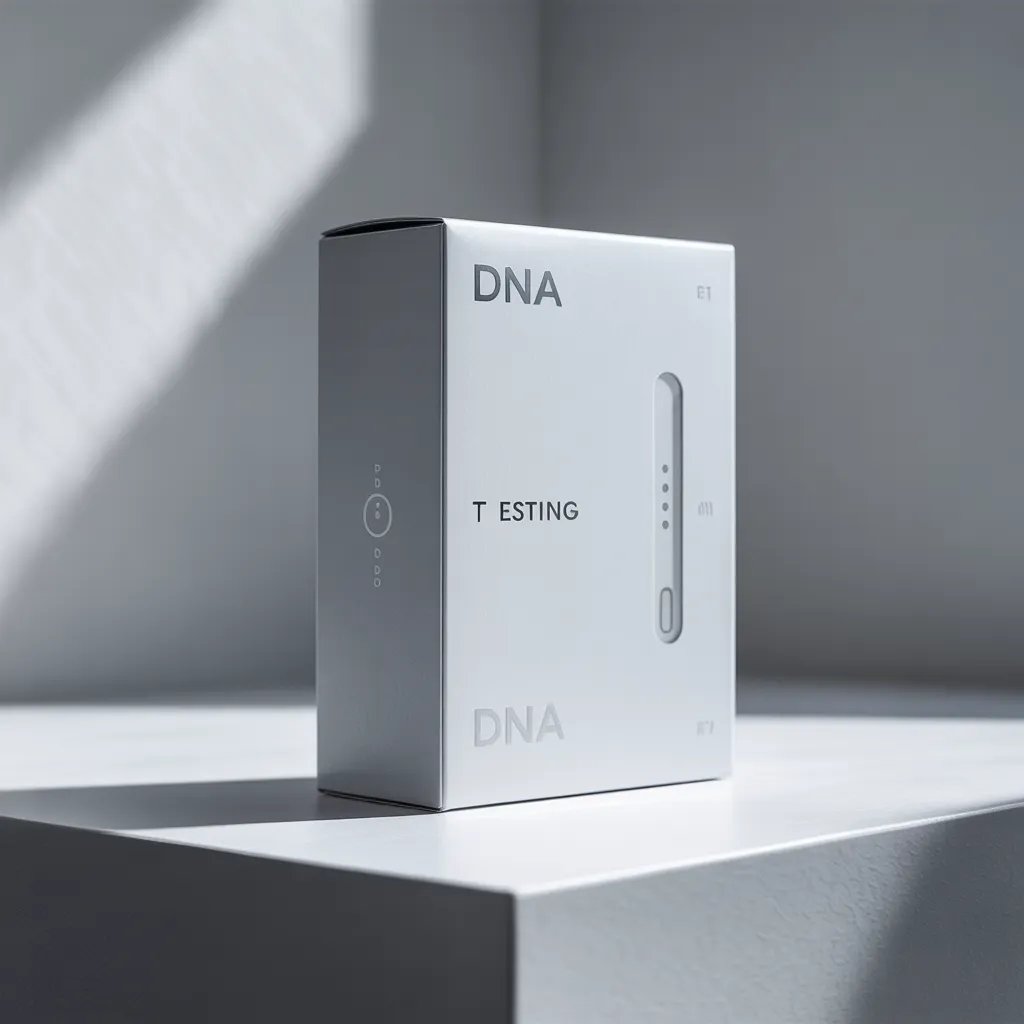
Interpreting Your Paternity Test Results
How can someone understand paternity test results? Making sense of these results means identifying the critical components and what they represent. Generally, the test results display a likelihood of paternity, commonly presented as a percentage. A result reaching 99.9% or more points to a strong probability that the tested person is the biological father. Conversely, a lower percentage suggests non-paternity.
It is essential to evaluate the method of testing employed, as certain home kits can differ in their accuracy. Furthermore, results may include inconclusive findings, calling for more testing or specialist advice. Understanding the context surrounding the test—such as the family dynamics and reasons for testing—may also offer greater understanding. At its core, analyzing paternity test results calls for expertise in genetics and the relevant testing methodology, allowing individuals to reach well-informed decisions based on the information provided.
Understanding Your Emotional Response
Traversing the psychological journey following a paternity test can be intricate and demanding. People may undergo a storm of feelings, including fear, relief, frustration, or uncertainty. The anticipation preceding the outcome can amplify these emotions, as uncertainty often breeds fear. When the findings arrive, they may validate deeply rooted convictions or overturn long-standing certainties, leading to a deep psychological conflict.
Many find themselves struggling with questions of identity or family bonds, questioning their relationships and personal history. It is vital for individuals to accept these emotions and allow themselves time to process the information. Practicing self-reflection or reaching out to a trusted friend or professional may prove beneficial during this difficult time. Ultimately, recognizing the validity of one's feelings is an essential step toward emotional healing and clarity in the aftermath of receiving paternity test results.
How to Share Your Results With Family
Receiving paternity test results can profoundly impact family relationships, generating the need for careful conversation. When addressing the outcome, it is crucial for people to navigate dialogue with sensitivity and clarity. Choosing an ideal occasion and secure location enables a more transparent dialogue.
Beginning the conversation with an awareness of the possible emotional burden can help ease anxiety. It is essential to share emotions candidly and motivate family members to voice their opinions and worries without judgment.
Active listening plays a vital role in these conversations, as it fosters understanding and support among family members. It may also be beneficial to prepare for a variety of responses, from relief to anger, and plan to respond to these reactions thoughtfully. Ultimately, maintaining a focus on love and connection can assist in managing the challenges that stem from the outcomes, guaranteeing that family ties stay strong.
Legal Concerns Surrounding Paternity Test Results
What legal ramifications stem from paternity test findings? When a paternity test indicates that a man is the biological father, this may have an impact on child support, custody arrangements, and inheritance rights. Legal establishment of paternity provides the father with visitation rights and the ability to make decisions concerning the child's wellbeing. Conversely, a negative result can relieve a man of responsibilities, such as child support obligations.
Across numerous jurisdictions, home paternity tests may not hold the same weight as court-ordered tests, which can make legal proceedings more complex. When disagreements occur, individuals may be required to pursue a legally recognized test to establish paternity. Additionally, the implications of these results can extend to emotional distress claims, particularly when the outcomes diverge from anticipated results. Comprehending these legal consequences is vital for those navigating the challenges associated with paternity testing and its consequences in familial and legal contexts.
Support Resources for Emotional and Legal Needs
Navigating the complexities of paternity test results often requires assistance, both legal and emotional. Individuals dealing with unclear results may gain from counseling services that focus on family dynamics and reproductive issues. These professionals can help navigate feelings of confusion, anxiety, or conflict that may arise following test results.
On the legal front, consulting a family law attorney is advisable. These specialists are able to advise on the impact of test results, especially regarding custody, child support, and inheritance rights. Additionally, local support groups or online forums can offer community insights and shared experiences, fostering a sense of connection and understanding.
Services such as legal aid organizations and helplines can also provide immediate assistance, allowing individuals to feel equipped to reach sound decisions. Taking advantage of these resources can facilitate a smoother change during what begin here can be a highly emotional experience.
Popular Questions
How Do Home Paternity Tests Compare in Accuracy to Lab Tests?
Home-based paternity tests generally provide results with accuracy surpassing 99%, comparable to lab-based tests. However, elements including how samples are handled and the quality of the test could impact the accuracy of results, making professional lab testing the more reliable option for conclusive results.
Can Online Companies Be Trusted for Paternity Testing?
Having confidence in web-based providers for DNA paternity tests is determined by their accreditation, reviews, and transparency. Trustworthy providers regularly supply comprehensive details about their processes and results, boosting trust and dependability for prospective clients exploring DNA testing solutions.
Which Samples Are Suitable for Home Paternity Testing?
At-home paternity testing generally relies on samples such as blood, saliva, or cheek swabs. These biological materials contain the DNA required for precise comparisons between the child and alleged father, producing trustworthy results when analyzed appropriately.
How Long Will It Take to Receive Your Test Results?
The turnaround time for home paternity test results is typically between three to seven business days. Elements like the laboratory's processing speed and delivery times can impact the total time before results become available.
Are There Any Age Limitations for Children's Testing?
Generally, there are no rigid age limitations for conducting home paternity tests on children. Nevertheless, consent from a parent or guardian is typically necessary for minors, guaranteeing that ethical standards are upheld throughout the testing procedure.