Exploring the Technology Behind Home Paternity Tests
The methodology powering home paternity tests has progressed substantially in recent years. These innovations strengthen both accuracy and user experience. By utilizing painless DNA collection methods and complex examination processes, these tests provide reliable results. However, as the popularity of these tests grows, a number of key factors must be addressed. Grasping how these tests function and the impact of their usage is essential for anyone contemplating a test. What factors should one keep in mind before making a decision?
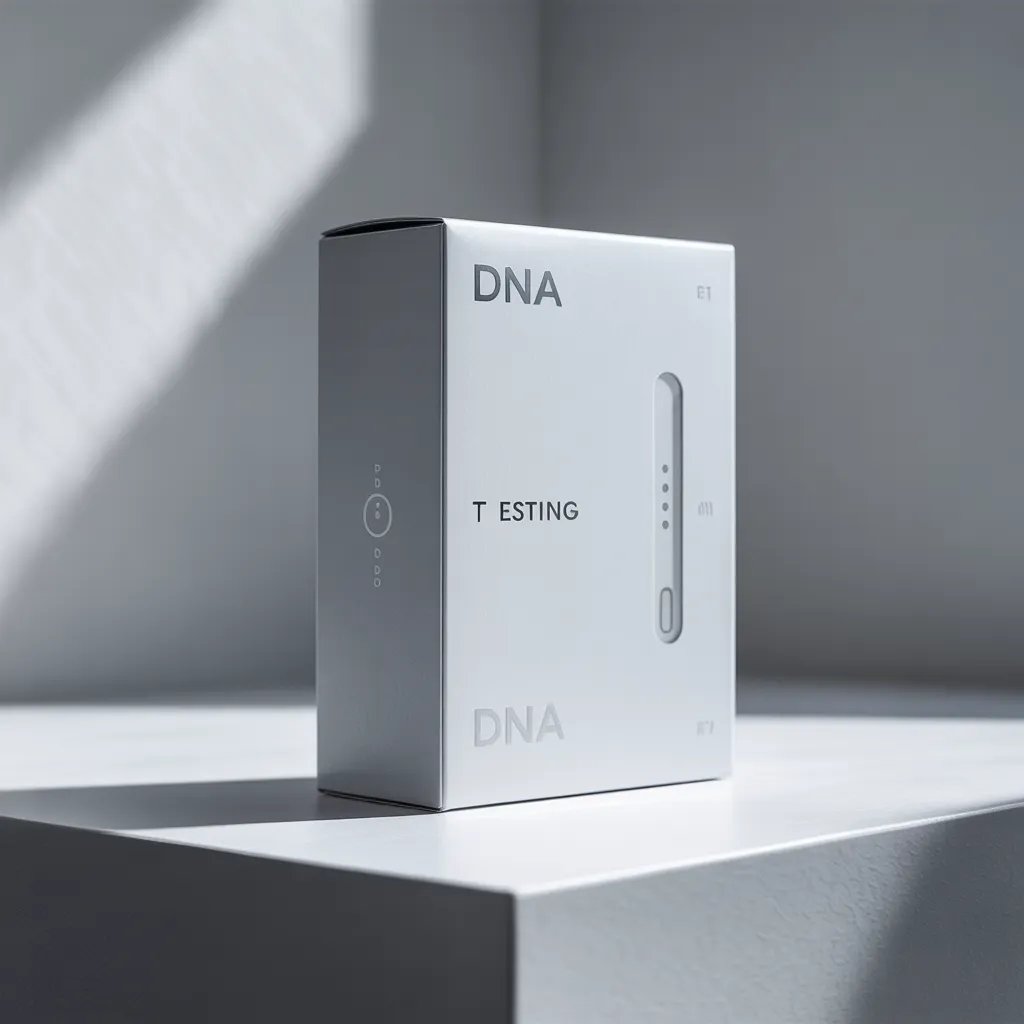
How Do At-Home Paternity Tests Work?
Home paternity tests operate through a clear and simple process that generally involves obtaining DNA samples from the potential father and child. These specimens are generally gathered using straightforward cheek swabs, which are completely painless and non-invasive. Each individual rubs the swab inside their cheek to obtain epithelial cells with DNA. Once the specimens have been obtained, they are sent to a laboratory for analysis.
In most cases, the paternity test kits provide step-by-step guidance for sample collection and packaging to ensure reliable outcomes. Following the processing stage, the testing facility compares the genetic indicators from each sample to determine if there is a biological connection. The results usually require a few days to a couple of weeks to become available, depending on the service provider. Many at-home paternity tests also offer secure online access to results, allowing individuals to obtain their test results in a confidential and efficient way.
How DNA Profiling Functions in Paternity Testing
When samples are gathered and forwarded to the laboratory, DNA examination plays an essential role in confirming paternity. The analysis commences with isolating DNA from the submitted samples, usually saliva or buccal swabs. Subsequently, particular regions of the DNA known as Short Tandem Repeats (STRs) are examined. These areas show considerable variation among individuals, rendering them highly useful for identification purposes.
Laboratories analyze the STR profiles of the minor with those of the presumed father. A match in a sufficient number of these markers indicates a high probability of paternity. Statistical calculations are then employed to express the certainty of paternity, commonly displayed as a percentage value. A 99.9% outcome is generally considered conclusive confirmation of paternity. In contrast, a lesser percentage implies the absence of a biological relationship. Therefore, DNA testing delivers a reliable scientific basis for determining biological relationships, ensuring accuracy and reliability in home paternity testing.
Modern Breakthroughs in Paternity Genetic Testing
Recent advancements in DNA-based paternity testing have considerably advanced the reliability and availability of these tests. Developments in NGS technology have enabled more comprehensive genetic profiles, allowing for better differentiation between maternal and paternal genetic material. This method can analyze countless genetic markers simultaneously, dramatically increasing the dependability of testing outcomes.
Furthermore, the integration of machine learning algorithms has improved data processing, supporting speedier processing times and minimizing manual errors. Businesses have also concentrated on user-friendly kits that simplify the sample collection process, allowing home testing to be more straightforward for users.
Moreover, innovations in mobile applications offer real-time monitoring of testing progress and results, enhancing participant engagement. Such developments not only foster greater confidence in paternity examinations but also broaden accessibility for those seeking information regarding family connections. In conclusion, the industry keeps evolving, promising greater precision and accessibility in the time ahead.
Key Considerations Before Selecting a Home Paternity Test
When choosing a home paternity test, one should examine a number examine this material of important factors to secure accurate and reliable results. To begin, the test's certification status is vital; credible organizations should be accredited by bodies such as the AABB. Next, the technology used in the testing process should be carefully examined. Testing methods using cutting-edge genetic analysis technologies, including PCR (Polymerase Chain Reaction), tend to deliver superior reliability.
Additionally, users should consider the collection methods available, as ease of use can determine the accuracy of the sample. The result delivery time for reports is another critical element, as prompt findings can be valuable for individuals requiring prompt data.
Ultimately, cost should not be overlooked; even though budget considerations are essential, it should not compromise quality. By considering these factors, people can reach well-informed conclusions when picking the right home-based paternity test, guaranteeing reliable results.
Privacy Issues in Home Testing
While home paternity testing provides convenience and ease of access, privacy concerns remain a significant issue for many individuals. The process typically involves collecting DNA samples, which raises questions about data security and potential misuse. Many testing companies may store personal information, heightening the danger of security failures that could compromise private data. In addition, the anonymity of the testing process can lead to complications, as individuals may fear that results could be shared without consent or leveraged against them in legal proceedings.
Additionally, the insufficient regulation in the home testing industry can amplify these concerns. Unlike medical laboratories, many home testing companies are under no obligation to adhere to strict privacy standards, leaving consumers vulnerable. As home paternity tests grow in popularity, it is vital for individuals to comprehensively research companies and understand their data protection policies to safeguard their personal information.
Commonly Asked Questions
Can Home Paternity Tests Be Used as Legal Evidence in Court?
Home paternity tests are generally inadmissible in court due to concerns over their reliability, chain of custody, and insufficient oversight. Legally valid paternity typically requires tests carried out in a supervised, certified laboratory environment.
How Reliable Are Home Paternity Tests When Compared to Laboratory Tests?
Residential paternity tests typically boast more than 99% accuracy when confirming biological connections. However, laboratory tests are often deemed superior in reliability because of strict testing protocols, thorough quality oversight, and specialist oversight, guaranteeing accuracy in legal settings.
Which Samples Are Suitable for Home Paternity Testing?
Paternity testing conducted at home commonly utilizes sample types including saliva, cheek swabs, or blood. Such biological samples provide DNA for comparison, delivering precise results when processed under established procedures and conditions, similar to laboratory testing methods.
How Long Will It Take to Get Your Test Results?
Test results from home paternity tests typically take anywhere from three to five business days. Processing times can vary based on the laboratory and the particular test being conducted, possibly taking a week or longer in certain circumstances.
Can Home Tests Determine Multiple Potential Fathers?
At-home paternity tests are usually intended for a single alleged father. These tests are unable to accurately identify multiple potential fathers simultaneously, as each test is designed to analyze the genetic material of one individual.