The Evolution of Paternity Testing: Innovations in Home Kits
The future of paternity testing is evolving rapidly, most notably due to the emergence of home-based testing kits. Such advancements offer enhanced privacy, convenience, and accessibility. Advanced DNA analysis and mobile app connectivity are becoming a reality. As societal attitudes shift, individuals are increasingly seeking clarity on parentage issues. This transformation raises important questions about reliability and ethical implications, driving a more thorough analysis of how these innovations will impact family structures going forward.
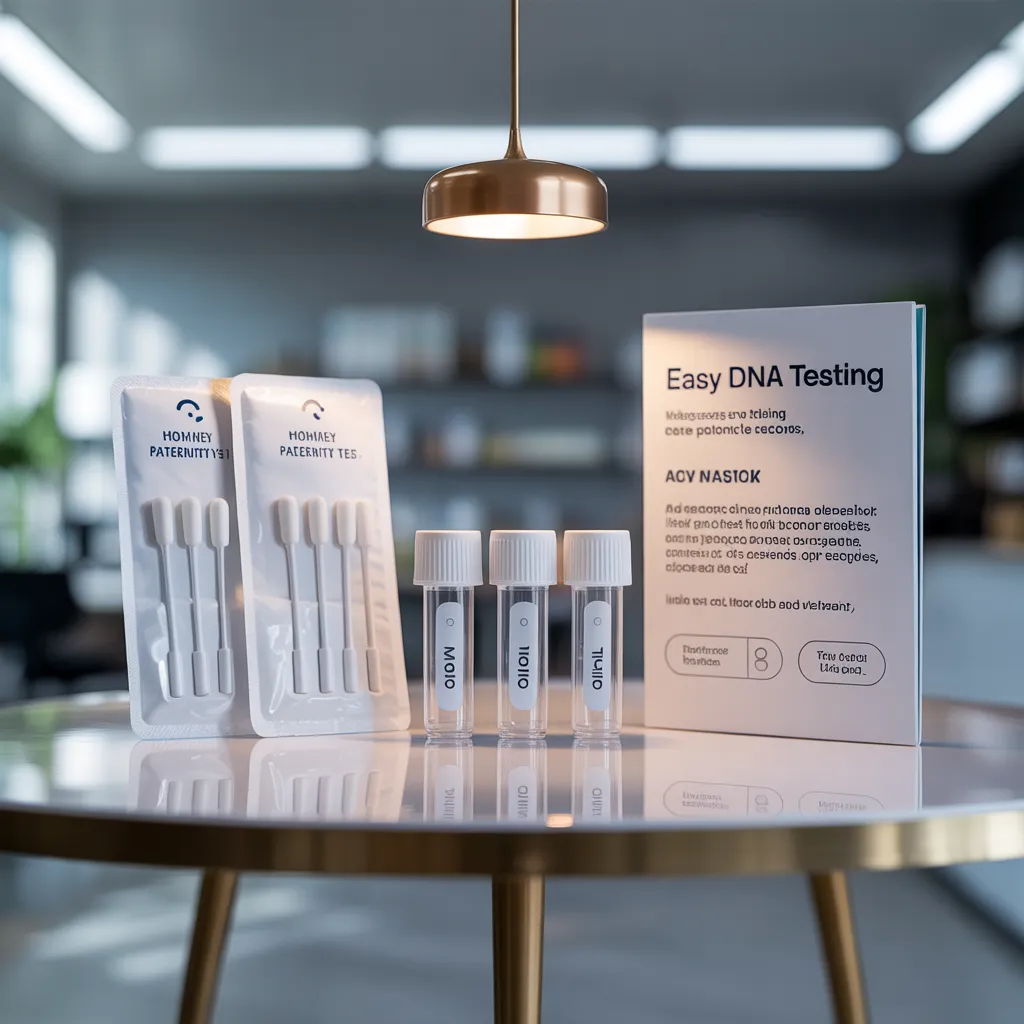
The Increasing Popularity of Home Paternity Testing Kits
The emergence of at-home paternity testing kits has transformed the field of genomic testing, providing individuals a practical and confidential solution for identifying genetic relationships. These testing kits, widely available online and in stores, permit users to collect DNA samples from themselves and their offspring without any need for expert guidance. The straightforward nature of the process has made more accessible paternity testing, enabling people to address parentage concerns from the privacy of their own homes.
Innovations in packaging and technology have improved the precision and dependability of findings, frequently delivering clarity within a few days. Moreover, the affordability of these kits has made them accessible to a larger population, alleviating the social barriers linked to seeking such tests. As social standards shift, the increasing demand for residential paternity testing solutions reflects a growing demand for personal autonomy and transparency in matters of family and identity.
Using Home Paternity Testing Kits: A Complete Step-by-Step Guide
A great number of users discover that using residential paternity testing kits straightforward and user-friendly. Initially, participants should ensure they have all necessary components, usually comprising swabs, a collection envelope, and detailed instructions. Participants must then collect DNA samples, commonly via buccal swabs, making sure that the process is quick and thorough to avoid contamination.
Next, individuals should closely follow the accompanying instructions for securing and labeling the specimens. Accurate labeling is vital for upholding the integrity of the samples. Upon preparation of the samples, they should be placed in the designated envelope and sent to the designated laboratory, often using pre-paid shipping options included in the kit.
Following the mailing process, recipients generally wait several days to weeks for the findings, which can typically be accessed via the company's online portal or through direct contact with the testing provider. Following these steps provides a straightforward journey with home paternity testing kits, enabling dependable findings in a convenient setting.
How Reliable Are Home Paternity Tests?
How trustworthy are home paternity tests? The reliability of these tests largely copyrights on the quality of the kit and the accuracy of the sample collection process. Most reputable home paternity tests claim accuracy rates exceeding 99%, provided that the instructions are meticulously followed. That said, various elements, such as contamination of the sample or mishandling, have the potential to impact the final results.
In addition, while many testing kits employ sophisticated DNA examination technologies, not all are equivalent in quality. Consumers should pursue tests that are certified by reputable laboratories, ensuring thorough standards in validation and testing.
It should be noted that despite home tests offering both convenience and privacy, they may not be admissible in legal situations. Consequently, those requiring conclusive results for legal matters should pursue professional testing. On the whole, home paternity tests may prove to be dependable, yet individuals must use them with prudence and careful consideration.
Addressing Legal and Ethical Challenges in Home Paternity Testing
Residential paternity tests, while convenient and private, present notable legal and ethical concerns that consumers need to be aware of. A primary concern is the potential for misuse, such as fraudulent claims or disagreements regarding custody and child support. The reliability of test outcomes can also impact legal proceedings, as courts may not recognize home test outcomes in the absence of proper authentication.
From an ethical standpoint, users face dilemmas surrounding consent, especially when minors are involved. Testing without the consent of all parties has the potential to cause fractured relationships and psychological anguish. Moreover, uncovering unexpected parentage can carry deep psychological consequences, affecting family dynamics and individual identities.
Additionally, the insufficient regulatory oversight in the residential testing market calls into question the dependability of the results offered. Users must be cautious, ensuring they comprehend the significance of the results and the likely repercussions on their lives and relationships.
How Accessible Testing Is Influencing Family Relationships
Transforming familial structures, convenient access to paternity testing has altered the way individuals approach parentage and relationships. With home testing kits readily available, families can now find clarity on questions about genetic relationships without the time-consuming procedures traditionally associated with such investigations. This ease of access encourages openness within family dynamics, encouraging honest dialogue about biological origins.
Consequently, the negative perception associated with paternity questions diminishes, permitting families to address matters that may have remained unaddressed for years. The opportunity to verify parentage can create more resilient connections among family members, as ambiguities are clarified. However, this accessibility of testing also brings about new challenges; unexpected results can strain once-harmonious relationships. As families process these complexities, the equilibrium between knowledge and psychological effects becomes crucial. Ultimately, accessible testing is reshaping narratives about self-identity, faith, and belonging, generating an evolving landscape in family dynamics.
Questions We Often Receive
Are Home Paternity Test Results Admissible in Court?
Home paternity tests are generally not accepted in court due to issues regarding accuracy and chain of custody. Legal cases typically require tests conducted by accredited laboratories to establish reliability and adherence to standards.
Is Paternity Testing Available for Pets?
Pets are able to undergo paternity testing through DNA analysis, which confirms genetic connections. Such tests examine particular markers to establish ancestry, giving breeders and pet owners important details about heritage and health-related matters.
What Is the Price Range for Home Kits?
Paternity testing kits for home use generally find the facts cost between $100 and $300, depending on the brand and type of test. Prices may vary based on added options, such as rush results or supplementary sample collection choices.
How Long Does It Take to Receive Results?
Home paternity testing kit results generally take between a few days to two weeks. Delays may occur depending on how quickly the laboratory processes samples and the dependability of the postal service used to send them.
Are There Any Age Requirements for Testing?
Age limitations for paternity testing usually differ according to each provider's policies. Typically, those under the age of majority may need parental approval, while adults can proceed without limitations. It's essential to check specific guidelines for each testing service.