At-Home Paternity Tests for Peace of Mind: How Reliable Are They?
Home paternity tests have become increasingly popular for those seeking clarity about biological connections. Such tests claim impressive accuracy levels, commonly going beyond 99%. Yet, the reliability of these tests can be influenced by various factors, including sample collection methods. As individuals weigh the advantages and drawbacks, understanding the nuances of these tests proves to be critical. What implications might arise from accepting these findings without subsequent confirmation?
How Do Home Paternity Tests Work?
At-home paternity tests generally work through a simple process that prioritizes accuracy and ease of use. Initially, individuals order a test kit online, which is subsequently shipped privately to their residence. The package generally contains swabs designed to gather DNA specimens from both the potential father and the child, ensuring a non-invasive procedure.
After samples have been collected, they are sent back to the laboratory for analysis. The testing facility examines the DNA to detect specific genetic markers shared between the parent and child. Findings are typically available within a few days and are presented in a clear, concise format.
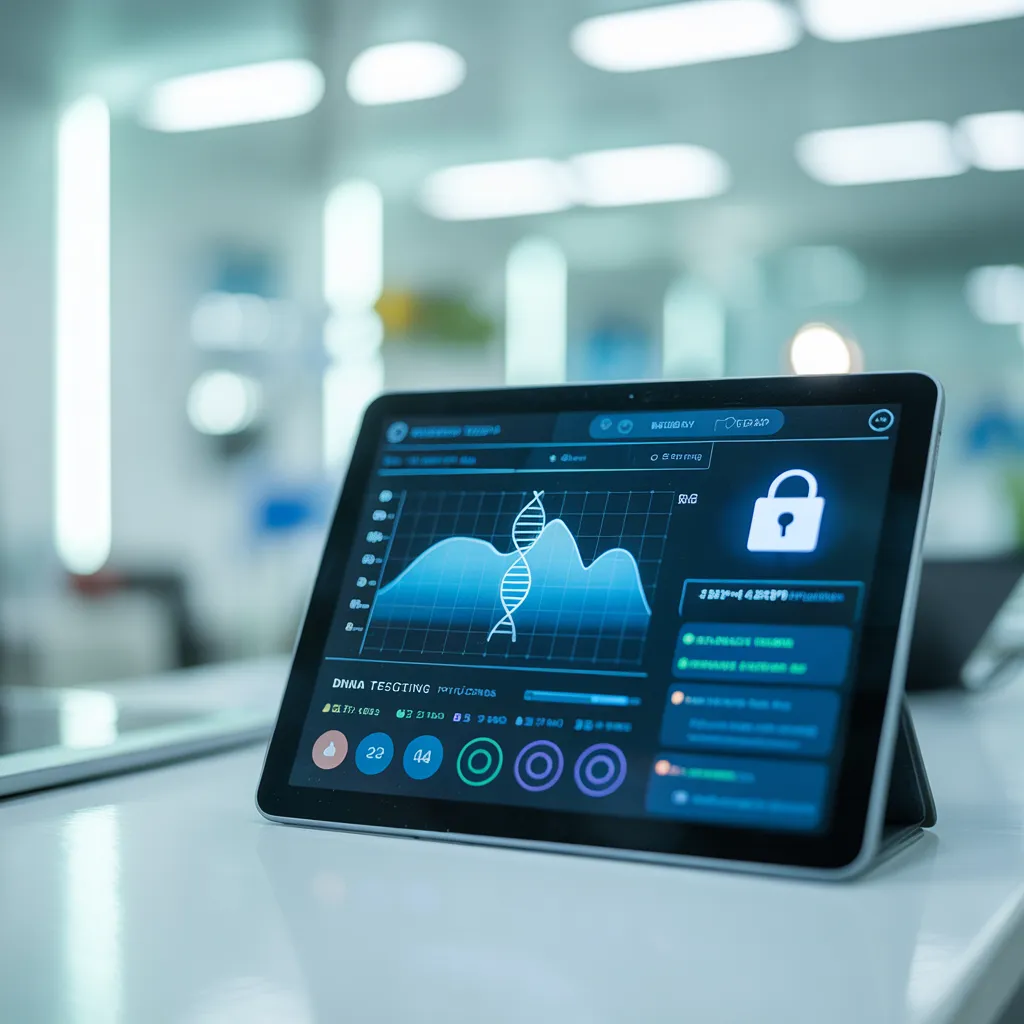
Numerous home paternity tests offer protected online access to test outcomes, ensuring privacy and confidentiality. The ease of the procedure has caused these tests increasingly popular among those desiring clarity regarding paternity without the need for legal involvement or medical appointments. Ultimately, home paternity tests deliver a accessible solution for people pursuing answers about family connections.
What Is the Accuracy of Home Paternity Tests?
Home-based paternity tests present a convenient way to confirming genetic relationships, but their precision can fluctuate substantially. Key factors influencing reliability include testing methodology, accuracy rates in comparison to laboratory tests, and the importance of proper sample collection. Understanding these elements is essential for individuals considering a home paternity test.
An Overview of Testing Methodology
Grasping the analytical approach behind paternity tests is crucial for evaluating their accuracy. At-home paternity tests typically employ a technique known as DNA profiling, which studies specific markers in the DNA from both the presumed father and the child. Samples are usually collected through cheek swabs, making the process non-invasive and convenient. The DNA is then expanded using polymerase chain reaction (PCR) to detect genetic markers. By evaluating the genetic profiles, the test establishes the likelihood of paternity. Most kits offer instructions to guarantee proper sample collection and handling. It is important to note that while home tests offer convenience, they may not always comply with the rigorous standards of authorized diagnostic centers, which can impact the reliability of results.
Comparing Accuracy Rates
Examining the precision of at-home paternity tests shows that while they offer convenience, their reliability can fluctuate. Nearly all credible home paternity tests claim an accuracy rate going beyond 99%, which aligns closely with laboratory tests. However, variations can emerge based on multiple considerations, including the quality of the diagnostic kit, the number of DNA markers analyzed, and the user's adherence to directions. Certain tests may only examine a small number of markers, which may impact results. Moreover, improper sample collection or sample contamination can lead to unreliable outcomes. As a result, while home tests can offer a preliminary indication of biological parentage, they cannot substitute thorough laboratory evaluations for confirmed results. Individuals are encouraged to reflect on these elements when interpreting results.
The Importance of Sample Collection
Accurate sample gathering is crucial for ensuring the precision of paternity test results. With at-home paternity testing, the accuracy of the result heavily relies on how well the specimens are gathered and managed. Commonly, oral swabs, which gather cells from the inside of the cheek, are employed for DNA analysis. If the samples are not obtained accurately, contamination or insufficient sample may cause indeterminate findings. Moreover, following the provided instructions meticulously is imperative; any deviation can compromise the quality of the specimens. External conditions, like dampness or incorrect storage, can also affect the DNA quality. In summary, careful sample gathering plays a critical role in achieving accurate and dependable paternity test results.
How to Select a Trustworthy Home Paternity Test
Selecting a reliable at-home paternity test necessitates close attention to several key factors. Test accuracy and reliability are paramount, alongside understanding the sample collection procedures to guarantee reliable results. Additionally, choosing a test from a provider that complies with certification and accreditation standards can significantly strengthen trust in the results.
Accuracy and Reliability Testing
When picking a home paternity test, comprehending its precision and dependability is crucial for arriving at significant conclusions. Individuals should seek out tests that are accredited by recognized organizations, confirming conformity with high quality standards. The most trustworthy tests commonly assess a minimum of 16 to 21 DNA markers, as this increases the precision of results. Additionally, it is essential to select a provider that offers a transparent description of its testing procedures and provides a robust assurance of precision. Reading reviews and checking for transparent customer service can also assist in determining the trustworthiness of a test. At the end of the day, selecting a reputable provider with a proven track record can considerably increase the probability of achieving accurate results.
Specimen Collection Procedures
A reliable home paternity test copyrights greatly on efficient DNA sample collection practices. Accurate DNA sample collection is essential for reliable test results. Most home kits utilize buccal swabs, which are easy to use and minimize contamination risk. It is important for all individuals to strictly follow the provided instructions, refraining from eating, drinking, or smoking for at least 30 minutes before swabbing. This helps prevent foreign materials from affecting the sample. Care should also be taken to use clean hands when handling swabs and to avoid making contact with the absorbent tip. Following collection, it is necessary to store samples as directed and submit them to the laboratory in a timely manner. Adhering to these procedures enhances the reliability of the results obtained from home paternity tests.
Accreditation Standards and Certification
Reliable at-home paternity tests frequently include defined certification and accreditation criteria that confirm their accuracy and validity. Individuals should look for tests approved by reputable organizations such as the American Association of Blood Banks (AABB) or equivalent bodies. These certifications confirm that the testing procedure follows strict scientific standards and ethical principles. Moreover, labs must be recognized by reputable authorities, which verifies they meet sector standards for accuracy and reliability. It is important to ensure that the test supplier provides transparent records of these accreditations. Such thoroughness helps ensure that the results obtained from a home paternity test are credible and dependable for reaching well-informed conclusions about paternity.
Legal Considerations Surrounding Home Paternity Tests
Even though at-home paternity tests deliver ease and confidentiality, they carry considerable legal consequences that individuals should carefully consider. The results of these tests could be inadmissible as legal evidence, potentially complicating concerns including custody battles or child support hearings. Furthermore, when the test discloses unforeseen outcomes, it has the potential to cause significant emotional and legal distress, especially in established family dynamics.
Furthermore, questions about consent can occur, particularly if one party objected to the testing. This could cause claims of invasion of privacy or legal repercussions. People should also understand that the anonymous character of these tests can make it difficult to trace results back to a reliable source, raising concerns about the authenticity of outcomes. For these reasons, those deliberating over home paternity tests should consult a legal professional to understand the ramifications fully and confirm that their conduct is in accordance with their long-term intentions.
Biggest Misconceptions About Home Paternity Tests
What are the common misconceptions about home paternity tests? Many individuals mistakenly believe that these tests offer absolute certainty in results. In reality, while home paternity tests are highly accurate, they are not infallible. A further widespread misunderstanding is that the test can be performed at any point without adequate preparation; yet adhering to particular guidelines is critical for achieving dependable results. Additionally, some people think that the results from home tests are legally binding, which is not the case; solely tests performed in certified laboratories hold validity in legal contexts. Finally, there is a belief that these tests can determine other familial relationships, such as sibling or grandparentage, yet they are exclusively intended to determine paternity. Being aware of these misconceptions can enable individuals to reach educated decisions and develop practical expectations concerning home paternity testing.
What Is the Expert Opinion on Home Paternity Tests?
Experts emphasize the necessity of understanding the limitations and accuracy of home paternity tests. Many professionals in genetics and law warn that while these tests can supply introductory information, they are no replacement for legally binding results acquired from certified testing facilities. The reliability of home tests differs significantly, frequently influenced by the integrity of the sample procurement and the methodologies utilized. Professionals note that poor sample management, contamination, or insufficient specimens can cause unreliable or misleading outcomes.
In addition, the legal aspects of paternity testing are intricate. Home test results may not stand up in court, as they do not meet the strict standards needed for legal paternity cases. Therefore, while home paternity tests may provide reassurance, specialists suggest seeking guidance from healthcare professionals or legal advisors for a thorough understanding and to make certain each decision reached is based on reliable and valid information.
How Reliable Is a Home Paternity Test?
What level of accuracy can home paternity tests achieve in identifying biological relationships? The reliability of these tests frequently depends on the caliber of the kit selected and the laboratory handling the samples. Numerous home paternity tests advertise impressive accuracy rates, occasionally reaching 99.9%, though results can differ significantly. Individuals need to ensure they opt for a credible provider, given that not every company follows the same rigorous guidelines.
In addition, home tests may not be find this resource legally admissible in court, limiting their utility in official cases. The procedure generally requires the collection of cheek swab samples, which may seem simple yet can result in sample contamination if not performed properly. Experts recommend consulting with a healthcare professional or genetic counselor before relying solely on a home test. Although these tests may offer reassurance, their results must be approached carefully and should never replace comprehensive legal or medical guidance.
Frequently Asked Questions
Can Home Paternity Tests Determine Sibling Relationships?
Residential paternity tests are designed to establish paternal relationships. Although they may indicate biological sibling connections by analyzing common DNA markers, their precision in establishing such bonds falls short of purpose-built sibling testing methods performed under controlled laboratory conditions.
How Is Sample Collection Done for Home Paternity Tests?
Samples for residential paternity tests are generally obtained using cheek swabs, which consist of rubbing a clean swab inside the mouth across the inner cheek lining. This technique is painless and reduces discomfort for all parties participating.
Are Home Paternity Tests Admissible in Court?
Home-based paternity tests are typically inadmissible in court because of concerns regarding the collection of samples and chain of custody. The courts commonly necessitate tests conducted under strict laboratory conditions for court-related purposes, guaranteeing accuracy and reliability.
What Happens if the Test Results Are Inconclusive?
When test results are inconclusive, additional testing or analysis may be required. It is advisable for individuals to consult a professional, as inconclusive findings can create complications in legal matters and personal relationships related to paternity.
Can a Home Paternity Test Be Used for Immigration Purposes?
Home paternity tests are generally not accepted for immigration purposes. Official immigration processes require tests conducted in accredited laboratories, guaranteeing chain-of-custody procedures and confirmed results to satisfy legal standards and establish familial connections.