Become a Licensed Nursing Assistant With Professional CNA Education
Becoming a Certified Nursing Assistant (CNA) supplies considerable advantages in the healthcare sector. Through expert training, candidates develop key skills and knowledge required for quality patient care. The expanding demand for CNAs ensures job security and promising career progression. Grasping the training process and certification requirements is critical. What elements should prospective CNAs weigh as they commence on this path? Examining this can elucidate the journey ahead.
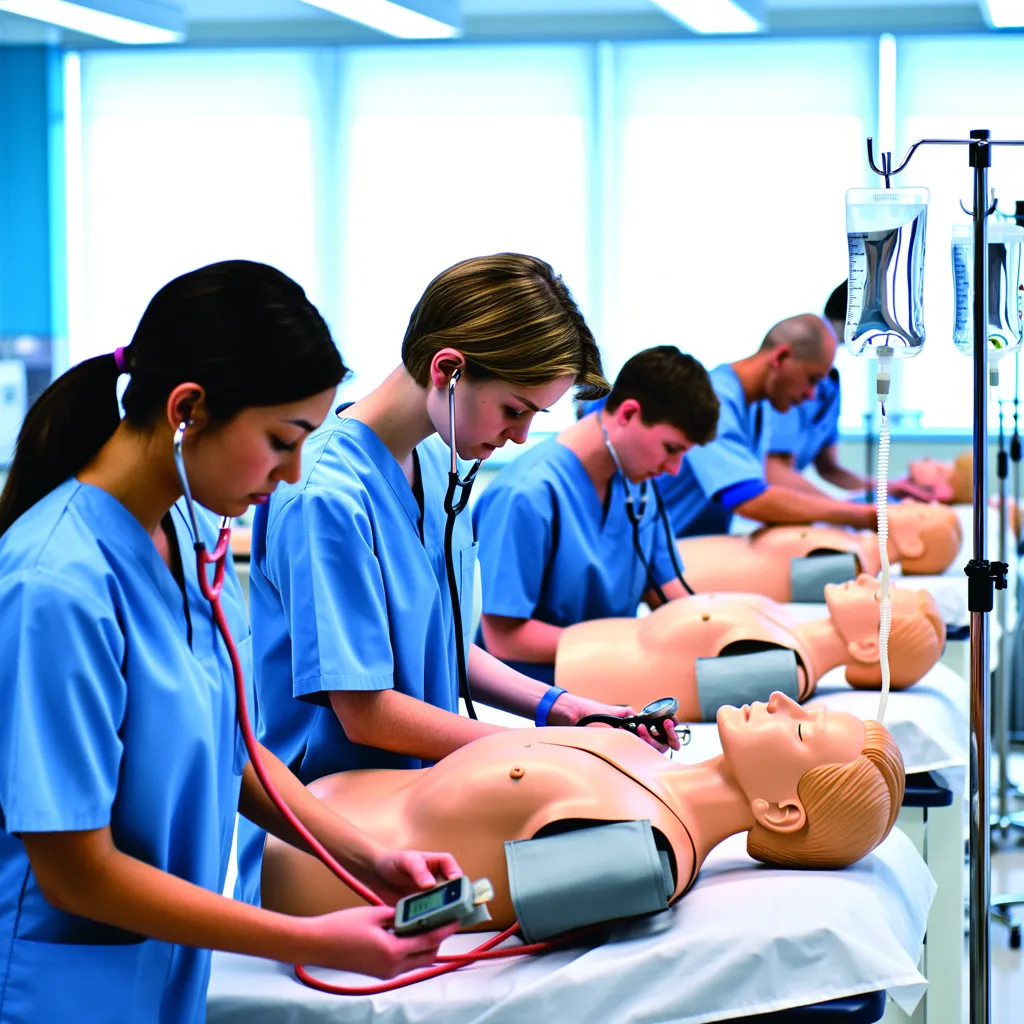
Primary Reasons to Become a CNA
Obtaining a CNA credential provides considerable benefits that are attractive to individuals interested in a rewarding vocation in the health sector. One key advantage is the opportunity for direct patient interaction, giving CNAs to make a meaningful impact patients' health outcomes. The call for CNAs remains strong, providing work security and numerous job openings in various settings, including hospitals, nursing homes, and home health care.
Moreover, the preparation involved to qualify as a CNA is moderately concise, empowering people to enter the workforce rapidly. This accessibility establishes the profession an enticing option for those wanting to start a career in medicine without substantial formal study. CNAs further have the capability to grow their careers in the medical industry, facilitating supplementary education and qualifications. Ultimately, the combination of job stability, individual fulfillment, and professional development opportunities makes qualifying as a CNA a compelling selection for several aspiring medical professionals.
Fundamental Skills You'll Master in CNA Training
CNA training provides individuals with an fundamental skill set necessary for delivering quality patient care. One of the primary skills developed is effective communication, enabling CNAs to interact compassionately with patients and their families. Additionally, students learn important monitoring techniques, allowing them to evaluate vital indicators and communicate updates to nursing staff accurately.
Personal care skills, such as bathing, clothing, and nourishing patients, are fundamental components of the training, ensuring that CNAs can assist patients with everyday tasks. Disease prevention procedures also constitute a significant part of the curriculum, emphasizing cleanliness and safety standards necessary to prevent the transmission of illness.
Furthermore, CNAs master skills in core clinical competencies, including facilitating mobility assistance and handling medical equipment. Overall, the training delivers a integrated approach to patient care, preparing individuals to address the multiple requirements of those they serve successfully.
Comprehending the CNA Training Process and Certification
Aspiring nursing assistants must understand that the CNA go to article certification process contains multiple critical components, encompassing a basic look at training mandates, efficient tactics for exam preparation, and promising job placement options. Acknowledging these elements becomes vital for aspiring nursing assistants as they pursue their certification journey. All feature contributes in enabling a seamless entry into the nursing field.
CNA Program Mandates Outline
While budding healthcare professionals may feel overwhelmed by the certification process, understanding the necessary training for Certified Nursing Assistants (CNAs) is essential. To become a CNA, individuals must complete a state-approved training program, which generally includes both lectures and direct patient care experience. Most programs require at least 75 hours of training, though some states may set additional hours. Candidates are also required to pass a security clearance to guarantee safety in healthcare facilities. After completion, they are eligible to take the certification exam. Moreover, some states may have specific prerequisites, such as minimum age rules or high school diploma verification. Familiarity with these requirements can help facilitate the path to becoming a certified nursing professional.
Tips for Preparing for your Certification Test
Successfully finishing a state-approved training program represents a significant achievement for aspiring CNAs, yet the process continues there. Getting ready for the certification exam demands a concentrated strategy. Candidates should study the material taught during their instruction, emphasizing key areas such as patient care, security procedures, and disease prevention. Using practice exams can help acquaint them with the exam format and question types. Additionally, creating study groups can promote group education, enabling candidates to explain doubts and strengthen knowledge. Time management is critical; setting a learning timetable ensures thorough examination of all subjects. Finally, maintaining a optimistic outlook and practicing relaxation techniques can reduce test-induced stress, enhancing general results on test day.
Work Positioning Opportunities Available
Finishing CNA training unlocks a range of employment opportunities, as numerous healthcare facilities actively hunt for certified nursing assistants to fulfill their staffing requirements. Hospitals, nursing homes, and assisted living facilities are among the key employers, often providing adaptable schedules to accommodate various schedules. Additionally, CNAs may discover opportunities in rehabilitation centers, home healthcare agencies, and outpatient clinics. With the rising demand for healthcare services, job security for CNAs remains stable. Many training programs also deliver job placement assistance, linking graduates with potential employers. Networking within the healthcare community and utilizing online job boards further boost employment prospects, making the shift from training to the workforce smoother for newly certified nursing assistants.
Essential Benefits of CNA Certification
Obtaining CNA certification offers many benefits that improve both career prospects and personal growth. Primarily, it provides people with crucial competencies and understanding required to provide high-quality patient care. This training fosters confidence and proficiency in various healthcare settings, which can greatly improve job performance.
Furthermore, certification frequently result in increased job security, as numerous employers prefer or require certified candidates. This credential not merely expands the scope of potential employment but also enhances earning potential. Additionally, CNAs frequently gain valuable experience that can function as a stepping stone for advanced positions in the healthcare field, such as nursing.
At a personal level, the certification process promotes empathy and communication skills, essential traits for successful patient interaction. Ultimately, becoming a certified nursing aide provides individuals with a strong base for a rewarding career in healthcare, while fostering a sense of fulfillment through helping others.
CNA Job Openings
CNA job opportunities are plentiful and span a range of employment settings, including hospitals, nursing homes, and home health care. This diversity not only provides adaptability in employment settings but also opens routes for career advancement. As CNAs acquire experience, they may explore further education and specialization, enhancing their career development.
Diverse Employment Environments
A Certified Nursing Assistant can find employment in an assortment of settings, each offering unique experiences and challenges. These settings include hospitals, nursing homes, assisted living facilities, and home healthcare services. In hospitals, CNAs regularly engage alongside a cross-functional team, providing bedside care and support services during recovery. Nursing homes and assisted living facilities expect CNAs to foster relationships with residents, focusing on long-term care and psychological care. Home healthcare allows CNAs to furnish bespoke support in a familiar environment, often building strong connections with clients and their families. Each location displays differing tasks, emphasizing the adaptability and comprehensive arsenal of skills essential for superior patient care in the nursing profession.
Career Development Paths
Investigating routes for professional development can expose many opportunities for Certified Nursing Assistants. With essential skills and experience, CNAs have the chance to advance into roles such as Licensed Practical Nurse (LPN) or Registered Nurse (RN) via additional education and training. A number of facilities provide tuition reimbursement, encouraging continued studies. In addition, CNAs might pursue specialized certifications in fields like geriatrics, pediatrics, or mental health, improving their marketability and knowledge. Management positions such as CNA supervisor or nursing home administrator also become reachable, offering leadership opportunities. Networking within healthcare environments can facilitate access to these advancements. Ultimately, through dedication and lifelong learning, CNAs can dramatically boost their careers and make stronger contributions to patient care.
Strategies to Successfully Ace the CNA Credential Exam
Completing the CNA certified nursing assistant exam successfully requires strategic preparation and a thorough knowledge of the subject matter. Aspiring CNAs should start by examining the test blueprint offered by their state's regulatory organization, concentrating on critical areas like patient care, protection, and communication skills. Taking practice exams is essential, as they familiarize candidates with the test layout and question types.
Incorporating collaborative learning sessions can improve learning by allowing candidates to explore difficult topics and share insights. Time management during the exam is essential; candidates should practice pacing themselves to guarantee they address all questions.
Furthermore, practical skills in a clinical environment is essential. Applicants should pursue opportunities to demonstrate competency in basic skills like recording vital signs and assisting with activities of daily living. Overall, comprehensive preparation and consistent practice greatly enhance the likelihood of succeeding in the CNA certification test.
Often Asked Questions
What Compensation Can a Licensed Nursing Assistant Expect?
The standard income for a certified nursing assistant typically falls from $25,000 to $35,000 annually, reliant upon factors such as experience, location, and the specific healthcare facility where they are working.
Can Someone work as a CNA Absent Certification?
No, people cannot work as a Certified Nursing Assistant (CNA) without credentials. Most states mandate formal training and passing of a licensing test to guarantee critical abilities and knowledge for healthcare delivery.
How much time does CNA training typically take?
CNA education typically requires four to twelve weeks, varying by the curriculum and state regulations. This duration blends both theoretical learning and practical hands-on training to secure adequate preparation for the certification examination.
Do Age Requirements Apply When Becoming a CNA?
Age requirements are typically not strict for becoming a Certified Nursing Assistant. However, most training programs require candidates to be at least 18 years old, though some could welcome younger individuals with parental approval.
What Do the Advanced Learning Mandates for CNAS?
Ongoing education requirements for CNAs generally involve meeting a specific number of sessions in education or seminars every two years. This verifies they remain knowledgeable about recognized standards and preserve their certification.