Fat Transfer Breast Augmentation Broken Down: Pluses, Minuses, and What to Prepare For
Fat transfer breast augmentation is gaining traction as a natural alternative to implants. This procedure involves using a patient's own fat to improve breast size and shape. While it provides several advantages, including a more organic look, there are crucial factors to keep in mind. Knowing who may benefit from this procedure, as well as the related risks, is essential for anyone contemplating this option. What elements should one weigh before making a decision?
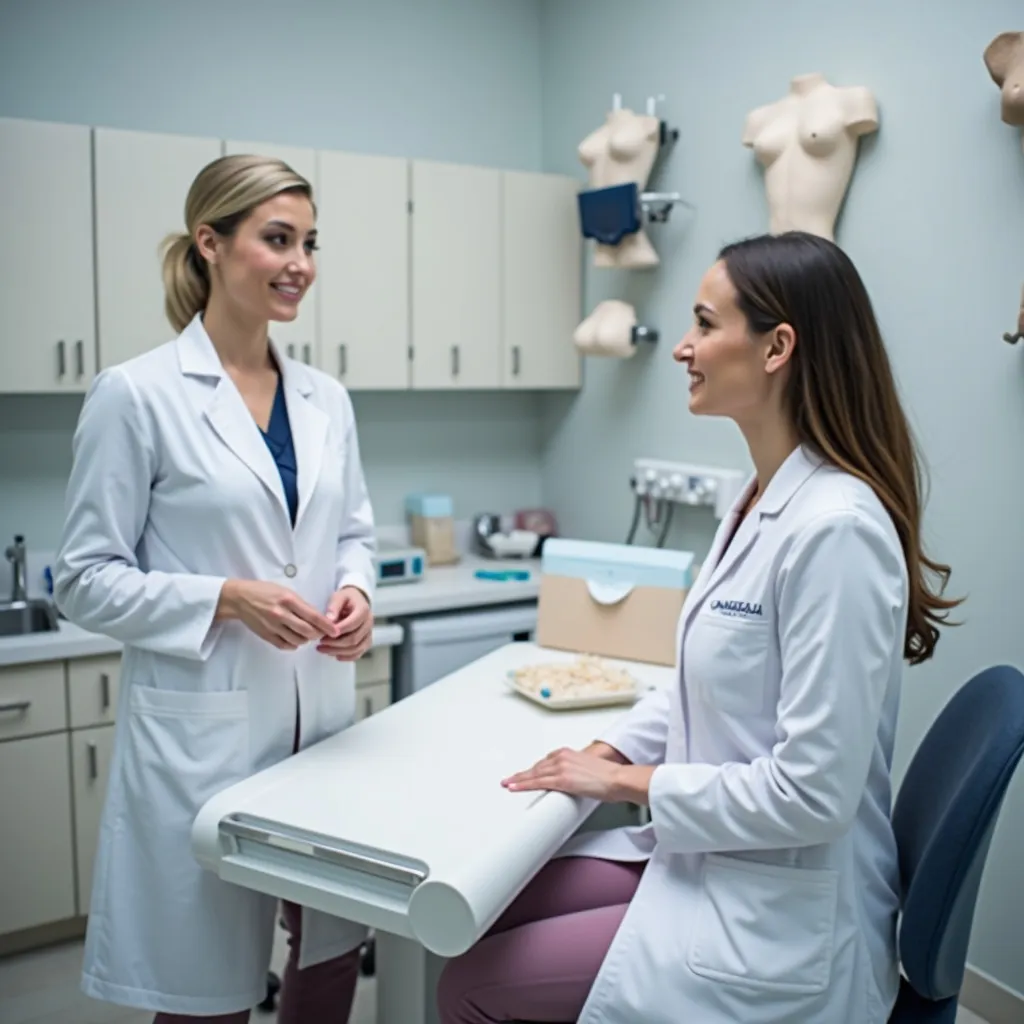
Should Fat Transfer Breast Enhancement Be Appropriate for You? Get the Truth
Is fat grafting breast augmentation the ideal choice for every individual? This method, which involves relocating fat from supplementary body areas to enhance breast volume, may not work for everyone. Factors such as body type, existing fat deposits, and overall health are determinative factors in ascertaining suitability. Individuals evaluating this option should have adequate fat stores for harvesting; those who are underweight may not qualify. Furthermore, candidates must grasp that results can change, and various sessions might be necessary to achieve desired outcomes.
Also, patients should consider their objectives, as fat transfer typically delivers subtler enhancements compared to traditional implants. The longevity of results is also variable, as some fat may be absorbed by the body over time. Ultimately, it is important to consult with a qualified expert to evaluate individual circumstances, ensuring an informed decision is made regarding this form of breast augmentation.
Fat Transfer Breast Enhancement Benefits
Fat transfer breast augmentation provides several significant advantages for individuals seeking a natural improvement. One of the main benefits is that it uses the person's own adipose tissue, which reduces the risk of allergic reactions and problems linked to implants. This technique generally results in a more lifelike feel and appearance, satisfying many people's preferences for a understated augmentation.
Additionally, the procedure serves a dual purpose by reshaping the source region, typically enhancing the abdomen or thighs while supplying fullness to the breasts. Recovery time may visit now also be quicker versus traditional implants, as there is frequently reduced trauma to the body. Moreover, the results can be long-lasting, with adequate care, making it a desirable choice for those looking for permanent outcomes. Ultimately, autologous fat transfer for breast enhancement constitutes a harmonious blend of aesthetics and safety, addressing the requirements of people valuing natural results.
Who Might Want to Explore Fat Transfer?
Those considering breast augmentation might recognize fat transfer to be an attractive option, especially if they value authentic appearance and body contouring. This method is especially appropriate for those who have considerable body fat to harvest, allowing for a two-fold advantage of enhancing breast volume while simultaneously contouring other areas, such as the abdomen or thighs.
Candidates often include women who seek a subtle enhancement of breast volume, aim to correct asymmetry, or seek a more organic feel compared to implants. Additionally, people who may be apprehensive about artificial implants or those who have experienced complications from previous surgeries may also consider fat transfer.
It is essential for prospective individuals to have practical assumptions regarding the results, as fat transfer typically results in a modest gain in size. Speaking to a qualified plastic surgeon can help determine if this approach aligns with their beauty objectives and body type.
Comprehending the Autologous Fat Procedure
The fat transfer procedure requires harvesting fat from one part of the body and inserting it into the breasts to achieve projection and form. Prime candidates for this strategy often maintain sufficient fat sources and realistic expectations about the results. Grasping the recovery timeline is fundamental, as it can vary based on distinct healing processes and the magnitude of the procedure.
Method Synopsis
Although many pursue breast enhancement options, comprehending the fat transfer procedure is essential for making a informed decision. This technique entails extracting fat from areas of the body, such as the abdomen or thighs, through liposuction. The removed fat is then processed and injected into the breast tissue to achieve the desired volume and shape. The procedure typically takes a few hours and is conducted under local anesthesia or sedation. Healing may involve some swelling and bruising, but most patients can return to daily routines within a week. Unlike traditional implants, fat transfer uses the patient's own tissue, which can lead to a more organic look. However, some fat may be absorbed back, necessitating touch-up procedures.
Excellent Choices
People interested in fat transfer breast augmentation typically meet a set of requirements that qualify them for the procedure. Perfect candidates usually possess sufficient body fat in regions such as the abdomen, thighs, or flanks, since this fat provides the augmentation source. A stable weight is also necessary, because large fluctuations can compromise results. Moreover, candidates must have realistic expectations about the outcome and realize that the results may not be as dramatic as those produced by implants. Good overall health combined with a non-smoking status helps the success of the procedure. Lastly, individuals desiring a natural-looking enhancement rather than a significant volume boost often view fat transfer as a viable option.
Recovery Timeline
Understanding the healing process for fat transfer breast augmentation is essential for candidates to prepare for the post-operative phase. Typically, patients can expect some inflammation and bruising in the first week, which gradually subsides. Many individuals return to light activities within a few days, but intense workouts should be avoided for at least four to six weeks. The initial results may not be visible until the inflammation reduces, which can take several weeks. Full recovery, including the settling of the fat and final aesthetic results, may take three to six months. Regular follow-ups with the surgeon are crucial to monitor progress and address any concerns, ensuring a safe and effective recovery experience.
Common Risks and Downsides of Fat Transfer Breast Enhancement
Fat transfer breast augmentation offers a nature-based option to standard breast implants, but it carries inherent drawbacks. One significant limitation is the restricted volume gain realizable, which may not meet every person's needs. Likewise, potential complications can surface, posing concerns that patients should thoroughly consider before proceeding.
Minimal Output Rise
One important challenge of fat transfer breast augmentation is the chance for limited volume gain. Unlike classic implants, which provide a predictable increase in breast size, fat transfer depends on the supply of donor fat and the body’s acceptance of the transplanted tissue. Generally, only a portion of the injected fat survives, often yielding less volume than initially planned. Patients looking for a noticeable size increase may find this method lacking. Moreover, several sessions may be necessary to reach the desired results, which extends the process. In this context, individuals should have realistic expectations regarding achievable volume, acknowledging that this method is best suited for subtle enhancements rather than dramatic changes in breast size.

What Healing Appears as After Fat Transfer
Recovery following adipose transfer breast enhancement typically unfolds over several weeks, with patients experiencing a variety of sensations and transformations. Initially, mild edema and discoloration at both the donor and recipient sites are typical. Patients may also observe firmness in the chest area as the body begins to adjust to the newly relocated fat.
During the first few days, pain can be managed with doctor-recommended pain relief. It's advisable to wear a supportive bra to assist with healing. Light activities may be resumed within a couple of days, but strenuous exercise should be prevented for at least a several weeks.
As healing progresses, people often experience progressive enhancement in their breast shape and fullness, although it may take several months for final results to stabilize. Regular follow-up appointments with the surgeon are important to monitor recovery and address any concerns that may arise during this period.
Selecting a Surgeon for Your Fat Transfer Procedure
Where should one identify the right expert for a fat injection breast augmentation? Determining a qualified specialist is vital for achieving favorable outcomes and decreasing risks. Prospective people should stress board certification in plastic surgery, as this ensures the practitioner has completed rigorous preparation and maintains established protocols.
Evaluating the surgeon's qualifications specifically regarding fat transfer methods is vital. Testimonials and feedback provided by previous patients can deliver insightful insights into the surgeon's skill and patient care. In addition, scheduling consultations allows individuals to gauge the surgeon's interpersonal skills and response to patient concerns.
It is also recommended to inquire about the facility where the procedure will take place, confirming it is certified and follows safety standards. In the end, choosing a surgeon should involve thorough deliberation, thorough research, and a sense of comfort and trust in their expertise. This basis can significantly impact the general outcome of the fat transfer process.
Frequently Inquired Questions
How Extended Do the Results of Fat Relocation Last?
The results of fat transfer generally persist between three to five years, based on individual variables such as metabolism, lifestyle, and the area from which the fat was harvested, influencing overall longevity and appearance.
Can Fat Grafting Correct Breast Asymmetry?
Fat transfer can successfully address breast asymmetry by adding volume to the smaller breast, enhancing overall shape and balance. Results vary based on personal circumstances, including the amount of fat transferred and the patient's body.
Does Fat Transfer Work for Every Body Shape?
Fat transfer cannot be appropriate for everyone for all body types. Factors including overall body fat percentage, skin firmness, and personal medical factors significantly impact candidacy, requiring a personalized evaluation by a qualified medical professional.
What Are the Price Differences When Compared to Traditional Implants?
Fat transfer breast augmentation expenses generally range between $8,000 to $15,000, while traditional implants typically come in at between $5,000 and $10,000, illustrating differences in procedure complexity and the amount of fat needed.
Might I Show Visible Scars After the Intervention?
Visible scars may emerge after the procedure, though they are generally unnoticeable. The extent of scarring varies according to individual healing and the techniques used, with many patients experiencing only delicate traces that reduce in appearance over time.